2026-10-28
Double Eyelid Revision: The 7 Questions We Hear Most in Consultations
Practical guide to double eyelid revision surgery: timing, methods, scarring, and choosing a clinic, drawn from the questions patients ask most during consultations.
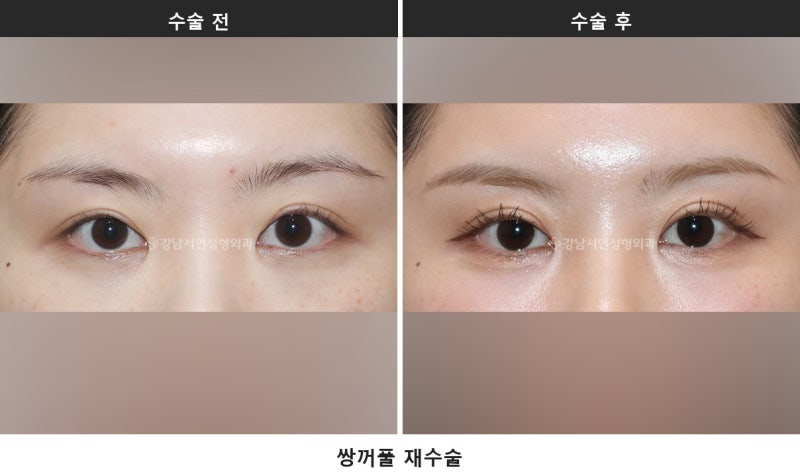
EYE REVISION · Eyelid Revision Surgery Guide
Everything in one place: timing, methods, scarring, and how to choose a clinic
■ The Short Answer
Double eyelid revision isn't something you can schedule as soon as you decide you want it, and it calls for a more precise approach than the first surgery. The usual practice is to wait about 6 months to a year, until the incision has healed, the swelling has gone down, and the crease has settled into place. If the result is unsatisfactory right after surgery, an early correction within 2 to 3 weeks may be necessary. The right method should be chosen only after analyzing the cause of the problem and matching it to your eye condition. Below, we've outlined the seven questions that come up most often in revision consultations, in order.
■ Q1. When can I have revision surgery?
Revision can be performed once the incision has healed, the swelling has subsided, and the crease has fully settled after your first procedure. This typically takes 6 months to a year. However, healing and swelling vary from person to person, and in some cases a revision is needed within 2 to 3 weeks because the immediate result was unsatisfactory. For that reason, it's best to have a specialist examine you before deciding on timing. Before the 6-month mark, the shape is still changing, so even if you're unhappy with the result, we recommend waiting until then to schedule a consultation.
■ Q2. In what cases is revision needed?
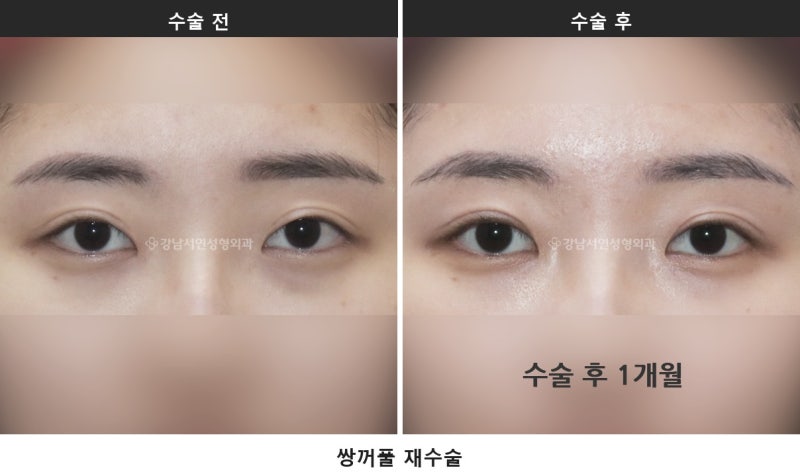
Typical cases include a crease that is too low or too narrow, a crease that has come undone, creases of different heights on each side, excessive swelling or scarring after surgery, and simply being dissatisfied with the result. Several of these issues often occur together rather than just one. Being specific about what bothers you most will make the consultation far more accurate.
■ Q3. If my first surgery was a suture method, can I have another suture procedure?
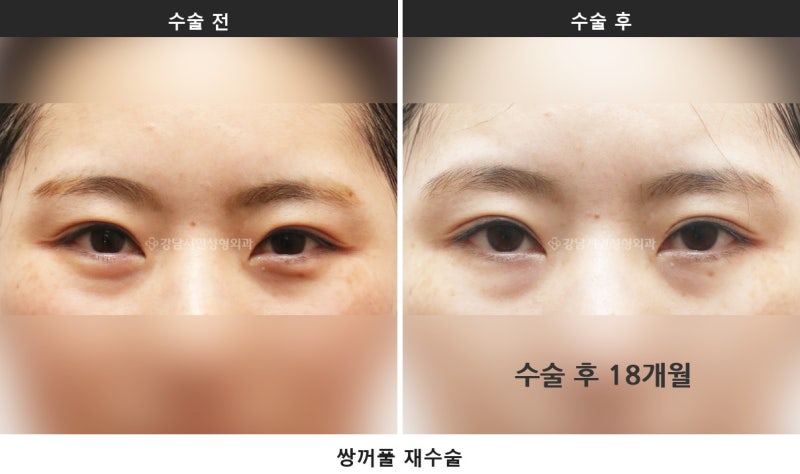
A suture revision may be possible if the crease has loosened or become buried, if you want to slightly change its height or shape, or if your eyelids are thin with little fat and there is no significant scarring or adhesion. Conversely, an incisional revision should be considered if the suture procedure has been repeated several times or scar tissue has formed, if your eyelids are thick or have a lot of fat, or if there is significant asymmetry or an irregular crease. In particular, after two, three, or more suture procedures, scar tissue builds up inside the tissue, which can make a later incisional revision more difficult. That's why it's important to have your eyelid thickness, skin elasticity, and any existing scarring checked directly before deciding on the method.
■ Q4. Won't an incisional revision leave worse scarring?
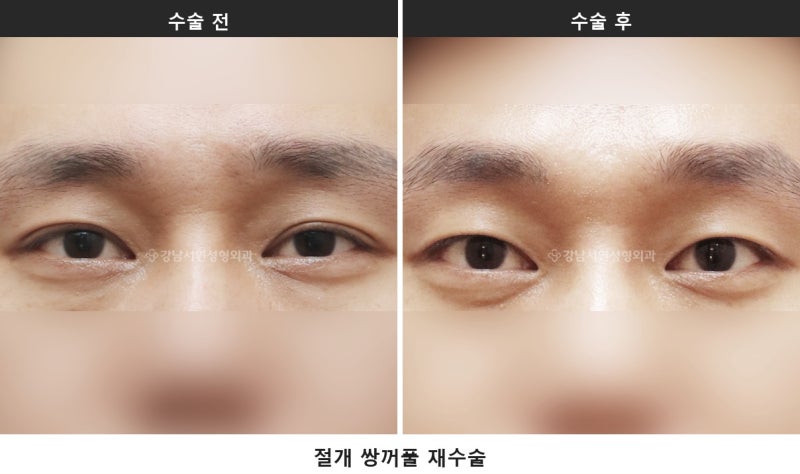
Incisional surgery doesn't automatically mean heavy scarring. Many people put off revision because they worry the existing scar will get worse. The goal is to minimize scarring through delicate suturing and by limiting tissue damage. However, results can vary depending on your skin condition and surgical history, so it's important to receive a diagnosis and explanation before deciding.
■ Q5. My crease is too high and thick, like a sausage. Can it be lowered?
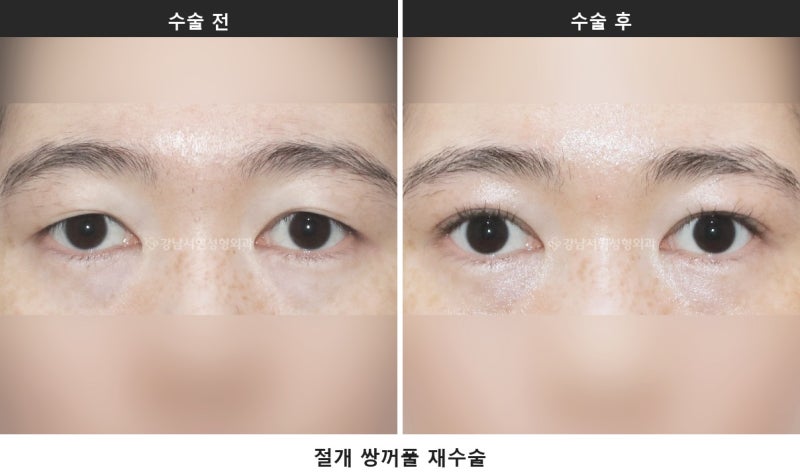
There are two main ways to lower a thick double eyelid crease: the single-line technique and the two-line technique. In the single-line technique, a new crease is marked, the skin between it and the existing crease is removed, and adhesions are released so that the eye forms a single fold when closed. The two-line technique keeps the existing crease in place while creating a new one and releasing the old one. It's mainly performed when there isn't enough eyelid skin. It can be considered regardless of age for anyone troubled by a “sausage eye” look. Two incision lines will remain, but the original scar fades over time. However, the worse the existing scar, the harder it may be to improve. Because the technique is prone to re-adhesion, which can lead to multiple creases, it should be performed by an experienced specialist.
■ Q6. How are loose, asymmetric, or overly thin or thick creases corrected?
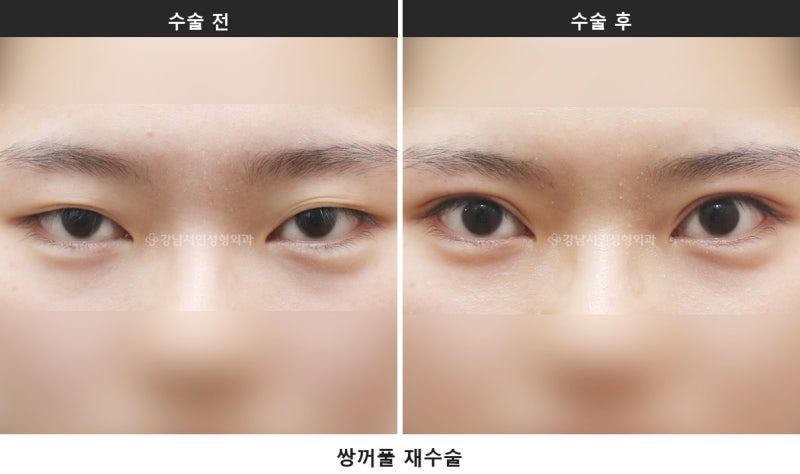
The correction depends on the cause. If the crease has come loose, it's usually because the fixation was weak or the method didn't account for the condition of the eye tissue. In that case, unnecessary muscle and fat are removed, and the crease is rebuilt through a double eyelid procedure or eyelid shape correction. Asymmetry can occur when the crease was marked incorrectly or when differences in lifting strength between the two eyes weren't considered. Depending on the situation, only one side may be corrected to reach the desired height, or both sides may be revised. If the crease is too thin, sagging skin is lifted and secured, or the crease is set higher. If it's too thick, the crease is released, excess fat is removed, and a new crease is created.
■ Q7. How should I choose a clinic for revision surgery?
Revision surgery involves reworking tissue that has already been operated on, so adhesions and deformation are often present, making it more difficult than the first procedure. For that reason, check the following during your consultation: whether a board-certified plastic surgeon performs the surgery personally; whether the clinic has experience with more advanced revisions such as two-line techniques, retraction surgery, or multiple crease correction; whether the cause of failure is analyzed before surgery is discussed; whether the doctor you consult with is the one who actually performs the surgery; whether the surgical environment is transparent, such as having CCTV in the operating room; and whether they recommend only necessary surgery without unnecessary extra treatments.
■ This article may help if you have these questions
- Considering double eyelid revision but not sure where to start
- Had a suture method before and wondering if another suture procedure is an option
- Want to lower a crease that's too high or thick
- Unsure how to choose a clinic for revision surgery
■ Recovery Timeline
Surgery time: about 1 hour
Anesthesia: Sedation or local anesthesia
Follow-up visits: 1–2
Stitch removal: 4–12 days after surgery
Hospital stay: None (same-day discharge)
Return to daily activities: 5–7 days later
The timeline above may vary depending on the revision method, the extent of the procedure, and your previous surgical history.
■ FAQ
Q1. How many months after double eyelid surgery can I have a revision?
Revision is performed after the incision has healed, the swelling has subsided, and the crease has settled, which usually takes 6 months to a year. If the result is unsatisfactory right after surgery, revision may be needed within 2 to 3 weeks, so timing is determined after a specialist examination.
Q2. Do I have to switch to an incisional method for a suture-method revision?
No. If your eyelids are thin, have little fat, and show no significant scarring or adhesion, a suture-method revision may be possible. If the suture procedure has been repeated many times or your eyelids are thick, an incisional revision should be considered. The decision is made after directly examining your eyes.
Q3. Will an incisional revision leave worse scarring?
Not necessarily. Incisional surgery doesn't always result in heavy scarring. It is performed with delicate suturing and minimal tissue damage, though results may vary depending on individual skin condition and surgical history.
Q4. What should I check when choosing a clinic for revision surgery?
It's recommended to check whether a board-certified plastic surgeon performs the surgery personally, whether the clinic has revision experience, whether the cause of failure is analyzed first, whether the consulting director operates personally, whether the surgical environment is transparent (such as CCTV in the operating room), and whether they recommend only the surgery you actually need.
■ Gangnam Seoyeon Plastic Surgery's Approach
At Gangnam Seoyeon Plastic Surgery, Dr. Choi Dong-il, a board-certified plastic surgeon and chief director, personally handles everything from consultation and surgery to aftercare. For revision surgery, we believe identifying the cause of failure comes before choosing a method. After examining your eyes, we recommend only the surgery you need.
At Gangnam Seoyeon Plastic Surgery, we approach double eyelid revision based on three principles.
First, we analyze the cause of failure before any surgery.
Second, we operate as a single-physician system, with the chief director personally handling everything from consultation to aftercare.
Third, we take a measured approach and recommend only the surgery that suits your eye condition.
If you'd like to see similar cases, you can view double eyelid revision cases in the before-and-after photos on the Gangnam Seoyeon Plastic Surgery website.
■ Disclaimer
This content is provided for informational purposes only and does not recommend any particular surgery or guarantee results. Postoperative complications such as bleeding, infection, and inflammation may occur, and results and recovery periods may vary depending on individual skin condition and the method chosen. Please be sure to confirm an accurate diagnosis and the right method through consultation with a specialist.
All photos in this post were taken with the patients' prior consent.