2026-11-05
Causes of Drooping Eyelids: Distinguishing Skin Laxity from Eyelid Ptosis Is the First Step in Eyelid Surgery for Middle-Aged Adults
Drooping eyelids can come from loose skin or weak eyelid muscles, and each calls for a different approach. This article explains how to tell them apart and what to expect during recovery.
EYE SURGERY · Eye Surgery Information for Middle-Aged Adults
Looks can be similar, but the right approach depends on the cause.
■ The Bottom Line
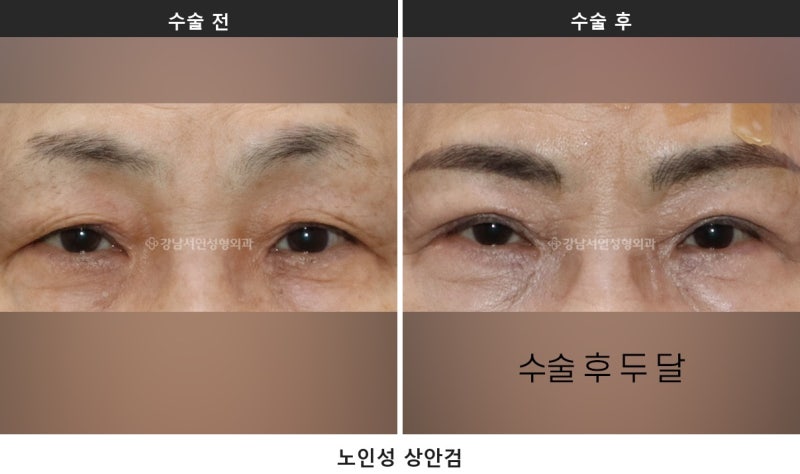
When looking into the causes of drooping eyelids, they generally fall into two categories. The first is when the skin of the eyelid loses elasticity with age and sags. The second is eyelid ptosis, in which the muscle that lifts the eyelid weakens, causing the upper lid to cover more of the iris. At first glance, both can look alike and give the impression of droopy, sleepy eyes. However, because the causes differ, the treatment approach also differs.
■ Drooping Caused by Reduced Skin Elasticity
As we age, the elasticity of the eyelid skin declines, and the skin itself stretches and sags over the eyelid. In these cases, the approach is upper blepharoplasty (eyelid drooping correction), which removes the sagging skin and fat. It can also widen a field of vision that has been narrowed by the drooping.
■ Eyelid Ptosis Caused by Weakened Muscle
On the other hand, when the levator palpebrae superioris, the muscle that lifts the eyelid, weakens, the skin is not stretched. Instead, the eye lacks the strength to open fully, so much more of the iris is covered than usual. This is eyelid ptosis. In this case, trimming the skin alone will not solve the problem. The approach should be ptosis correction, which adjusts the strength of the muscle.
■ A Simple Way to Tell the Two Apart
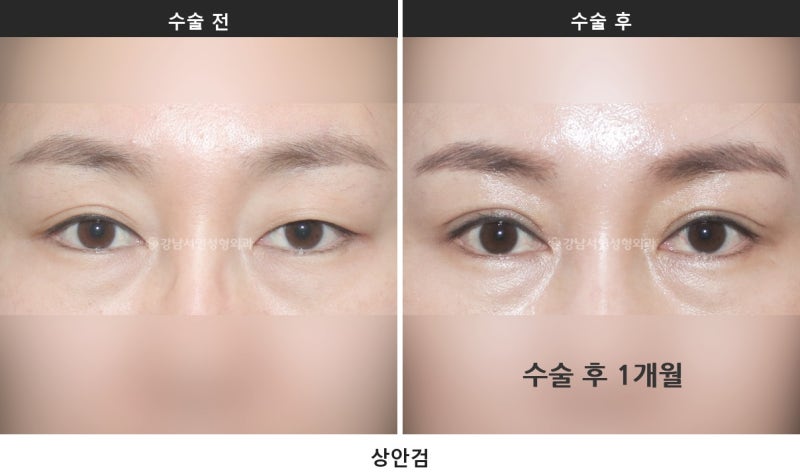
One way to tell them apart is to check whether more than 80% of the iris is visible when your eyes are open. If the distance from the center of the pupil to the upper eyelid is about 4–5 mm, it falls within the normal range. If it is only 1–2 mm, eyelid ptosis may be suspected. However, skin laxity and eyelid ptosis often occur together, so a proper diagnosis is needed for an accurate distinction.
■ Changes That May Occur If Left Untreated
Regardless of the cause, if drooping eyelids are left untreated, you may develop a habit of using your forehead muscles to open your eyes, which can deepen forehead wrinkles. Uneven drooping between the two sides can make the eyes look different in size, and a narrowed field of vision can cause discomfort.
■ Who Often Wonders About the Cause
- People who are often told they look sleepy with drooping eyes
- People who are unsure whether it is skin laxity or eyelid ptosis
- People who have developed forehead wrinkles or a difference in eye size between the two sides
- People whose field of vision has narrowed
■ Recovery Timeline
Surgery time: 30–60 minutes
Anesthesia: Sedation or local anesthesia
Clinic visits: 1–2 times
Suture removal: 4–12 days after surgery
Hospitalization: None (same-day discharge)
Return to daily activities: 3–7 days after surgery
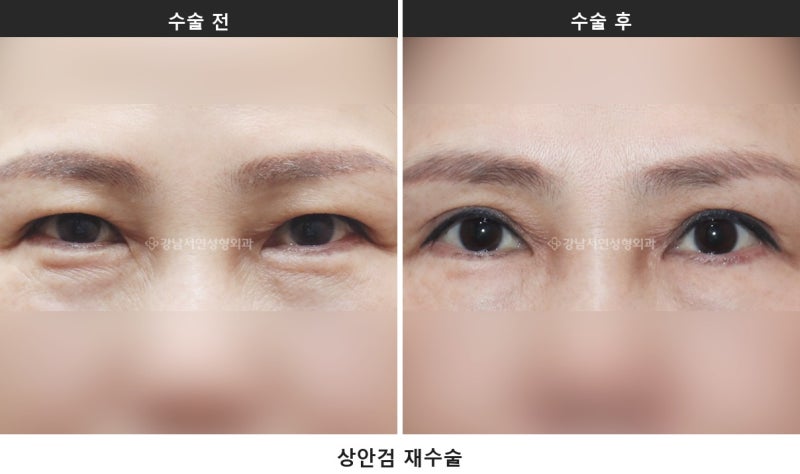
The above timeline may vary depending on the cause and the chosen procedure (upper blepharoplasty or ptosis correction).
■ FAQ
Q1. Can I tell skin laxity from eyelid ptosis on my own?
You can make a rough estimate based on how much of the iris is covered, but the two often occur together, so an accurate diagnosis is the best way to tell them apart.
Q2. Can both conditions occur at the same time?
Yes. Reduced skin elasticity and weakened eyelid muscles can occur together. In such cases, upper blepharoplasty and ptosis correction may be considered together.
Q3. Will it get worse if left untreated?
Over time, the habit of using your forehead muscles to open your eyes can deepen forehead wrinkles or make the difference between the two sides more noticeable.
■ Gangnam Seoyeon Plastic Surgery's Approach
At Gangnam Seoyeon Plastic Surgery, Chief Director Choi Dong-il personally handles every step, from consultation to surgery. After a comprehensive assessment of skin elasticity, fat volume, and the strength of the muscles that lift the eyelids, the team determines whether the drooping is due to skin laxity, eyelid ptosis, or both, and then decides on the approach.
Gangnam Seoyeon Plastic Surgery approaches eyelid drooping based on three principles.
First, a precise diagnosis by an experienced plastic surgery specialist.
Second, a customized design that takes into account the shape of the eyes and the entire face.
Third, minimizing tissue damage through thorough planning and meticulous surgery.
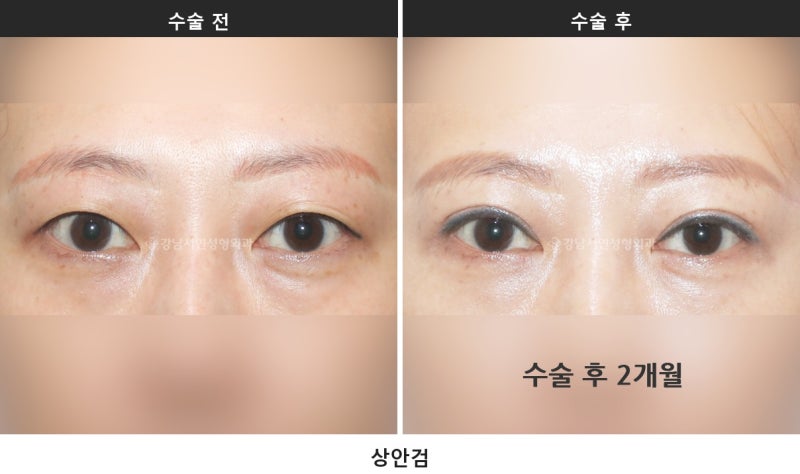
If you would like to see similar cases, you can view upper blepharoplasty examples in the before-and-after photos on the Gangnam Seoyeon Plastic Surgery website.
■ Disclaimer
This content is provided for general medical information only. It does not recommend any specific surgery or guarantee results. Complications such as bleeding, infection, and inflammation may occur after surgery, and results and recovery periods may vary depending on individual skin conditions. For an accurate diagnosis and follow-up, please be sure to consult a specialist.
All photos in this post were taken with the patients' prior consent.
Frequently Asked Questions
Can I tell skin laxity and eyelid ptosis apart on my own?
To some extent, yes. You can make a rough estimate based on how much of the iris is covered when your eyes are open. However, the two often occur together, so an accurate diagnosis is recommended.
Can skin laxity and eyelid ptosis occur at the same time?
Yes, they can. When reduced skin elasticity and weakened eyelid muscles are present together, upper blepharoplasty and ptosis correction may be considered in combination. A diagnosis is needed to determine what applies in each case.
Does drooping eyelid get worse if left untreated?
If left untreated, forehead wrinkles may deepen and the difference in size between the two eyes may become more noticeable. This is because a habit of using the forehead muscles to open the eyes develops. A narrowed field of vision may also cause discomfort.
How do the approaches to skin laxity and eyelid ptosis differ?
The basic approach is upper blepharoplasty for skin laxity and ptosis correction for eyelid ptosis. The article explains that eyelid ptosis cannot be resolved by simply trimming the skin and requires adjusting the strength of the muscle.
How long is the recovery period after eyelid drooping surgery?
Most people return to daily activities 3–7 days after surgery, and stitches are removed 4–12 days after surgery. Surgery takes 30–60 minutes, and patients are discharged the same day without hospitalization. However, the recovery timeline may vary depending on the cause and the procedure chosen.