2026-11-04
What to Check When Choosing a Mid-Life Eye Surgery Clinic: Does It Assess Skin, Fat, and Muscle Comprehensively?
Mid-life eye surgery should address more than visible droopiness. Learn why a clinic should assess skin, fat, and muscle together before choosing an upper, lower, or subbrow procedure.
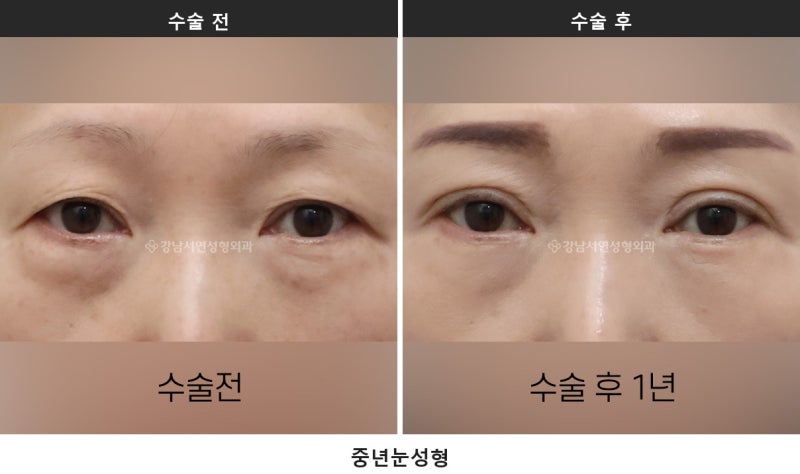
EYE SURGERY · Eye Surgery Guide for Middle Age
There's a good reason not to focus only on what you can see
■ The Bottom Line First
Mid-life eye surgery corrects changes in the eye area that occur as skin loses elasticity with age. It improves drooping eyelids or puffy under-eye bulges to create a more youthful look, and it can also widen a narrowed field of vision. Deciding based only on what's visible can lead to unnatural results, so whether a clinic comprehensively assesses the condition of the skin, fat, and muscle is the key standard for choosing one.
■ What Is Mid-Life Eye Surgery?
This procedure corrects changes in the eye area caused by age-related loss of skin elasticity. By improving drooping eyelids or puffy under-eye bags, it can create a smoother, younger-looking appearance, and it may also help restore a field of vision narrowed by sagging eyelids.
■ Choosing a Clinic: Visible Droopiness Isn't the Whole Picture
In mid-life eye surgery, you should not decide on surgery based solely on how much the eyelids appear to droop. To achieve a natural, defined, and youthful eye shape, the surgeon needs to assess the overall condition of the eye, including the degree of skin laxity, skin thickness, the amount of eyelid fat, and the condition of the surrounding muscles, and then apply the appropriate approach. In practice, the key criterion for choosing a clinic is whether it carefully analyzes which combination of upper blepharoplasty, lower blepharoplasty, and subbrow lift is needed.
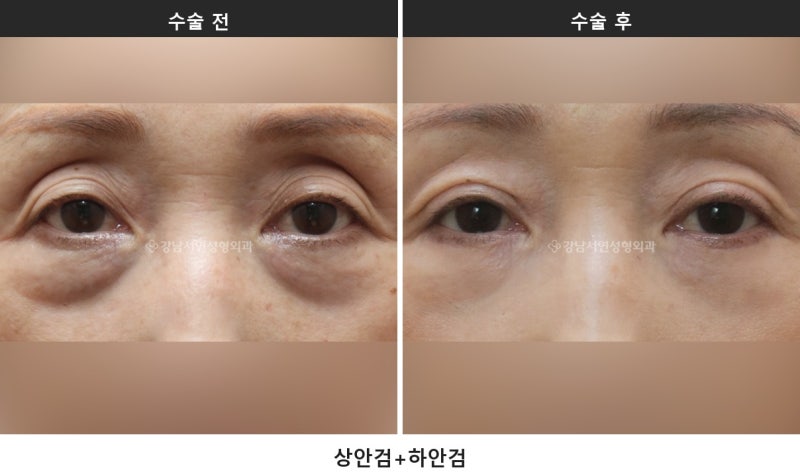
■ Upper Blepharoplasty vs. Lower Blepharoplasty vs. Subbrow Lift: What's the Difference?
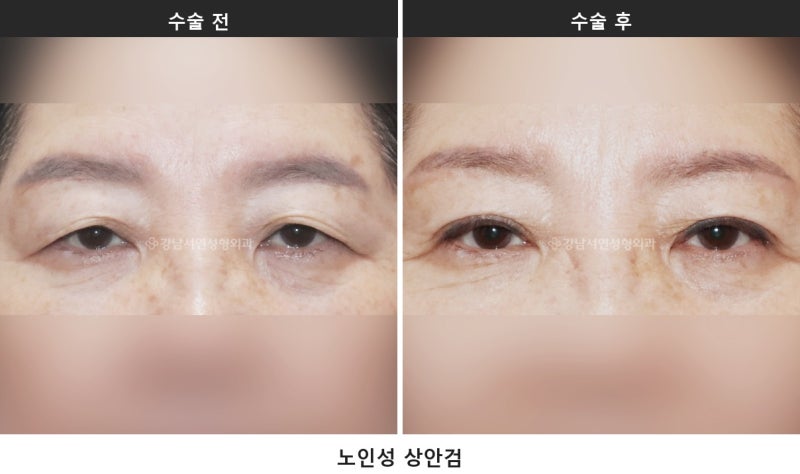
Upper blepharoplasty corrects drooping upper eyelids to create a more youthful eye shape, while also addressing discomforts such as a narrowed field of vision. As we age, the levator muscle often loosens or separates from the tarsal plate, so restoring it to its proper position is the core of the procedure.
Lower blepharoplasty smooths out a puffy lower eyelid by repositioning fat and reinforcing the septum. It also lifts the midface to address sagging skin, resulting in a smooth, bright under-eye area.
Subbrow lift is performed when the gap between the eyes and eyebrows is wide and eyelid drooping is significant. It is sometimes combined with upper blepharoplasty to address a heavy, full eyelid area.
■ Who Usually Comes In?
- Those whose upper and lower eyelids have sagged due to loss of skin elasticity
- Those whose drooping eyelids have narrowed their field of vision or left the eyelid skin chafed and sore
- Those with puffy under-eye bags
- Those bothered by deep under-eye wrinkles
- Those whose dark circles make them look tired
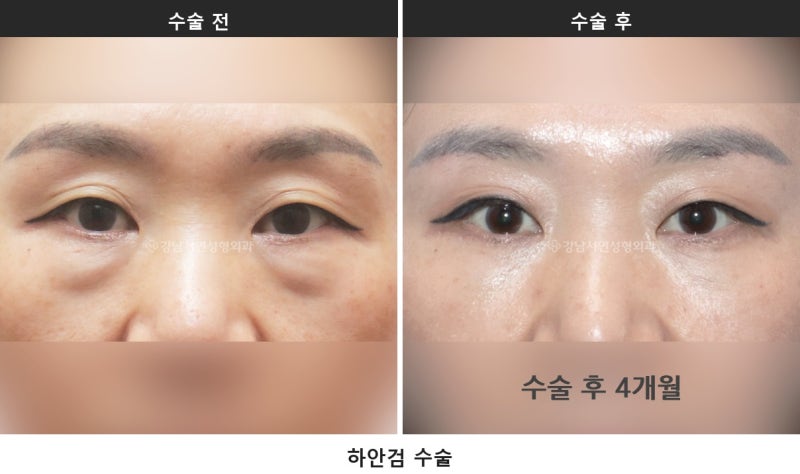
■ Recovery Timeline
Surgery time: 30–60 minutes
Anesthesia: Sedation or local anesthesia
Clinic visits: 1–2
Suture removal: 4–12 days later
Hospitalization: None (same-day discharge)
Return to daily life: 3–7 days later
Depending on the combination of upper blepharoplasty, lower blepharoplasty, and subbrow lift you choose, these timeframes may vary.
■ FAQ
Q1. What's the difference between upper blepharoplasty and double eyelid surgery?
Double eyelid surgery creates a new crease line, while upper blepharoplasty corrects drooping eyelids caused by aging. Depending on the patient's condition, the two procedures may be performed together.
Q2. Can I have upper and lower blepharoplasty at the same time?
In many cases, yes. Whether to proceed is decided by considering the condition of the entire eye area.
Q3. Will recovery make daily life difficult?
Recovery varies from person to person, but returning to daily activities after 3–7 days is the typical benchmark.
■ Gangnam Seoyeon Plastic Surgery's Approach
At Gangnam Seoyeon Plastic Surgery, Dr. Dong-il Choi, the clinic's director, personally handles everything from consultation to surgery. After comprehensively analyzing the degree of skin laxity, skin thickness, the amount of eyelid fat, and the condition of the surrounding muscles, the clinic recommends the most suitable combination of upper blepharoplasty, lower blepharoplasty, and subbrow lift.
Gangnam Seoyeon Plastic Surgery approaches mid-life eye surgery based on three principles.
First, a precise diagnosis by an experienced board-certified plastic surgeon.
Second, a customized design that considers the shape of the eyes and the entire face.
Third, minimizing tissue damage through thorough planning and meticulous surgery.
If you'd like to see similar cases, you can view mid-life eye surgery results in the before-and-after photo gallery on the Gangnam Seoyeon Plastic Surgery website.
■ Disclaimer
This content is written solely to provide medical information and does not recommend any specific procedure or guarantee results. Complications such as bleeding, infection, and inflammation may occur after surgery, and results and recovery periods may vary depending on individual skin condition. For an accurate diagnosis and to monitor your progress, be sure to consult a specialist.
The photos in this post were taken with the patients' prior consent.
Frequently Asked Questions
When is mid-life eye surgery performed?
It corrects changes in the eye area caused by loss of skin elasticity with age. It can create a smoother, younger-looking appearance by improving drooping eyelids or puffy under-eye bulges, and it may also help restore a field of vision narrowed by sagging eyelids.
How should I choose a mid-life eye surgery clinic?
Rather than judging based only on how much the eyelids droop, the key criterion is whether the clinic comprehensively assesses the condition of the skin, fat, and muscle. It's worth checking whether the clinic evaluates the degree of skin laxity, skin thickness, the amount of eyelid fat, and the condition of the surrounding muscles together, and whether it carefully analyzes which combination of upper blepharoplasty, lower blepharoplasty, and subbrow lift is right for you.
What's the difference between upper blepharoplasty and double eyelid surgery?
Double eyelid surgery creates a new crease line, while upper blepharoplasty corrects drooping eyelids caused by aging. Depending on the patient's condition, the two procedures may be performed together.
Can I have upper and lower blepharoplasty at the same time?
Yes, in many cases it's possible. Whether to proceed is decided by considering the condition of the entire eye area, and the final decision should be confirmed through consultation with a specialist.
When can I expect to recover and return to daily life?
Returning to daily activities after 3–7 days is the typical benchmark, though individual recovery varies. Suture removal is done 4–12 days after surgery, the procedure takes 30–60 minutes, and you're discharged the same day without hospitalization. The timeframe may vary depending on the combination of procedures you choose.
Can complications occur after surgery?
Yes, complications such as bleeding, infection, and inflammation can occur after surgery. This content does not guarantee results, and outcomes and recovery periods can differ depending on individual skin condition, so it's important to confirm with a specialist during consultation.