2026-10-07
Mucosal Eversion After Double Eyelid Surgery: How Is It Different from Swelling?
Learn how to tell mucosal eversion after double eyelid surgery apart from normal swelling by timeline, why it happens, and how re-correction is approached safely.
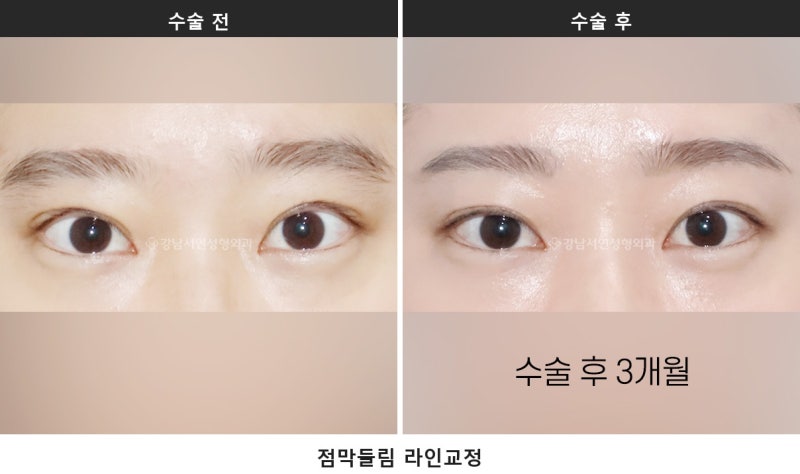
EYE REVISION · Eye Revision Surgery Information
If it's still the same after 6 months, you should check whether re-correction is needed
■ The Bottom Line First
After double eyelid surgery, it's easy to assume that when the eyes look thick and the mucosa appears to be rolling out, it's just swelling. But that isn't always the case. Swelling subsides over time, but if nothing changes after a certain period, it may be mucosal eversion. In that case, the cause is diagnosed first, and re-correction is then considered.
■ Tell Swelling from Mucosal Eversion by the Timeline
Mucosal eversion refers to a state in which the double eyelid looks thicker and the eyelid skin appears to be flipped outward, and it can sometimes give a sleepy look. With simple swelling, it usually starts to go down within two weeks, noticeably decreases within a month or two at the latest, and generally disappears by about six months. If the mucosa still looks everted or the lashes still appear to curl upward after this period, it's a good idea to have a consultation to check whether re-correction is needed.
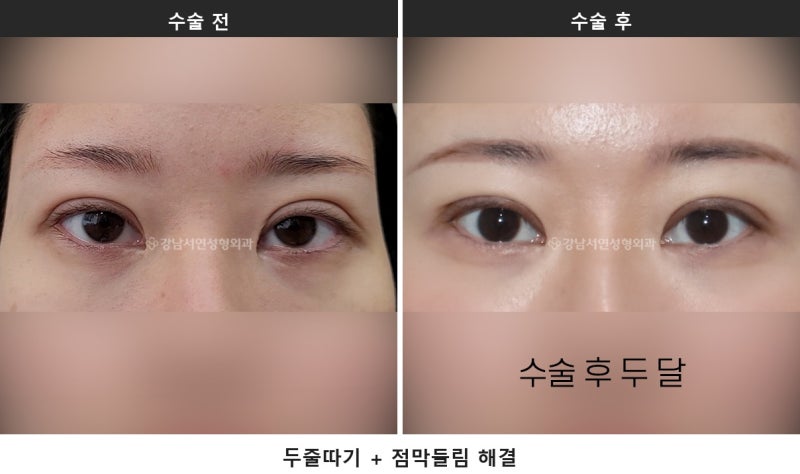
■ Why Does Mucosal Eversion Happen?
When there isn't enough skin left during surgery, the eyelid skin is pulled upward, fixing the double eyelid high. As a result, the mucosa and lashes can appear to lift together. It often occurs alongside a high crease that gives the eyes a sausage-like look, and there are cases where it is corrected together with lowering the crease.
■ How Far Can Correction Go?
To correct mucosal eversion, the tissue between the orbicularis oculi, the muscle that closes the eye, and the tarsal plate must be separated. If the orbicularis oculi is damaged during this process, the risk of lagophthalmos (a condition in which the eye does not close fully) increases. For this reason, Dr. Choi Dong-il, Chief Director, recommends correcting mucosal eversion only to the extent that no functional side effects occur, rather than pushing too hard. Even this alone often leads to considerable improvement. However, the less skin there is, the more mucosal eversion may remain to some degree even after correction.
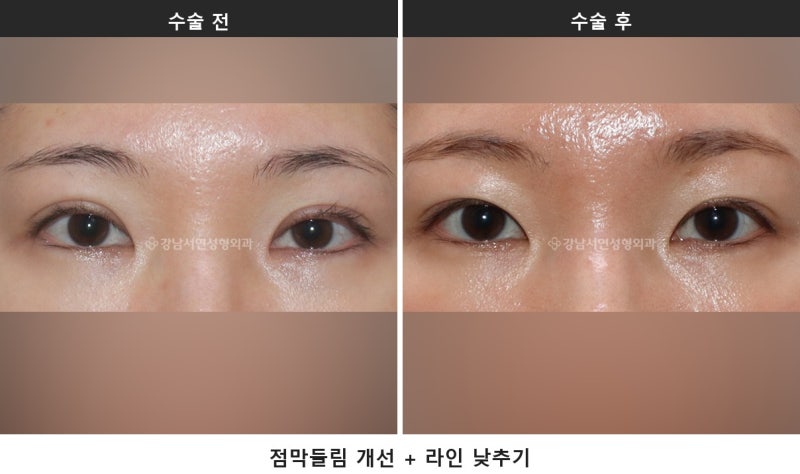
■ This Article May Help If You…
- Are worried whether the mucosa showing after double eyelid surgery is just swelling
- Still see lifted lashes or mucosa more than 6 months after surgery
- Want to know why mucosal eversion happens
- Want to know how much correction can improve it and whether there are side effects
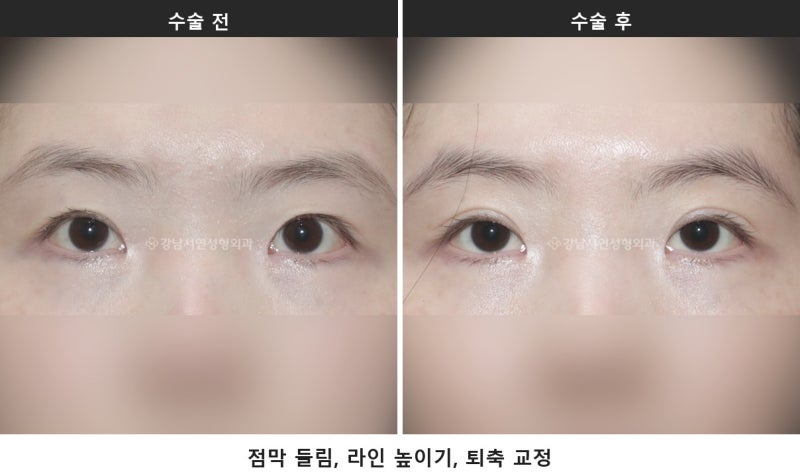
■ Recovery Timeline
Surgery time: Varies depending on the scope of correction
Anesthesia: Sedation or local anesthesia
Clinic visits: 1–2 visits
Suture removal: Usually 4–12 days after surgery
Hospitalization: None (same-day discharge)
Return to daily life: 3–7 days later
These periods may vary depending on the degree of mucosal eversion and what else is corrected alongside it, such as lowering the crease.
■ FAQ
Q1. How can I tell whether it's swelling or mucosal eversion?
The easiest criterion is the timeline. Swelling usually starts to subside within two weeks and disappears in about six months. If the mucosa still looks everted after this period, it's worth checking for mucosal eversion.
Q2. Why does mucosal eversion happen?
If too little skin is left after surgery, the eyelid is pulled upward, and the mucosa and lashes can appear to lift together.
Q3. Will it disappear completely after correction?
The less skin there is, the more may remain even after correction. It's important not to overcorrect in order to avoid functional side effects such as incomplete eye closure.
Q4. What should I be careful about during correction?
If the orbicularis oculi that closes the eye is damaged, lagophthalmos (a condition in which the eye does not close fully) can occur. Skill in correcting while preserving this muscle is therefore crucial.
■ Gangnam Seoyeon Plastic Surgery's Approach
At Gangnam Seoyeon Plastic Surgery, Dr. Choi Dong-il personally handles everything from consultation to surgery. We first determine whether it's swelling or mucosal eversion. If it's mucosal eversion, we decide the direction of correction within a range free of functional side effects, taking into account both skin condition and whether the orbicularis oculi can be preserved.
At Gangnam Seoyeon Plastic Surgery, we approach mucosal eversion correction based on three principles.
First, an accurate diagnosis of the cause that takes the timeline into account.
Second, function-first correction that preserves the orbicularis oculi.
Third, a comprehensive plan that includes related areas such as crease lowering when needed.
If you'd like to see similar cases, you can view mucosal eversion correction cases in the before-and-after photos on the Gangnam Seoyeon Plastic Surgery website.
■ Disclaimer
This content is written to provide medical information and does not recommend any specific surgery or guarantee results. Complications such as bleeding, infection, and inflammation may occur after surgery, and results and recovery periods may vary depending on individual skin condition and the method chosen. Please be sure to confirm an accurate diagnosis and choice of method through consultation with a specialist.
The photos in this post were taken with patients' prior consent.
Gangnam Seoyeon Plastic Surgery Clinic | Dr. Choi Dong-il, Chief Director
20, Gangnam-daero 154-gil, Gangnam-gu, Seoul (Exit 7, Sinsa Station, Sinbundang Line)
Weekdays 09:30–18:30 · Saturday 09:30–16:30 · Sundays and public holidays: closed
02-535-8889

Dr. Choi Dong-il
Board-certified plastic surgeon
Current: Chief Director, Gangnam Seoyeon Plastic Surgery (2015–present)
Former: Director, BK Plastic Surgery (2011–2013)
Former: Director, Regen Plastic Surgery (2013–2015)
Outpatient Professor, Department of Plastic Surgery, Korea University College of Medicine
Chair of the Scientific Committee, Eyelid Surgery Study Group, Korean Society of Plastic and Reconstructive Surgeons
Outpatient Professor, Department of Plastic Surgery, Kangdong Sacred Heart Hospital
Full Member, Korean Society of Plastic and Reconstructive Surgeons
Full Member, Korean Society of Aesthetic Plastic Surgery
Full Member, Korean Society of Craniofacial Plastic Surgery
Member, International Confederation for Plastic, Reconstructive and Aesthetic Surgery (IPRAS)
Full Member, Korean Society for Surgery of the Hand
Full Member, Korean Association of Plastic Surgeons
Member, Scientific Committee, Korean Society of Plastic and Reconstructive Surgeons
Expert Reviewer, Editorial Committee, Korean Society of Aesthetic Plastic Surgery
Former Finance Director, current Information Director, Korean Association of Plastic Surgeons
Member, Information & Communications Committee and Public Relations Committee, Korean Society of Aesthetic Plastic Surgery
Full Member, Eyelid Surgery Study Group, Korean Society of Plastic and Reconstructive Surgeons
Former General Affairs Director, Eyelid Surgery Study Group, Korean Society of Plastic and Reconstructive Surgeons
Full Member, Rhinoplasty Study Group, Korean Society of Plastic and Reconstructive Surgeons
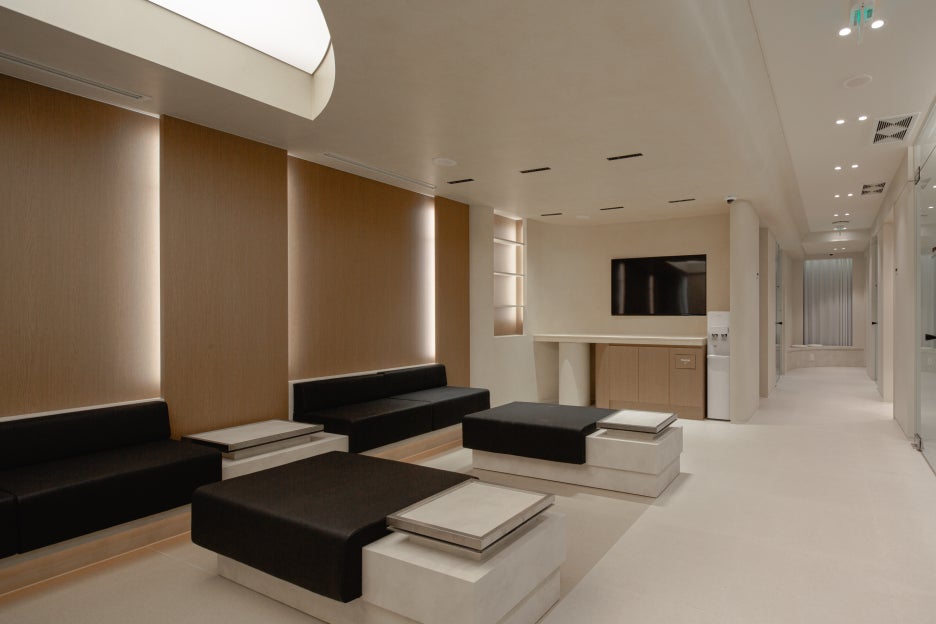
The clinic's waiting lounge with dark sofas, wood-panelled walls and a TV.
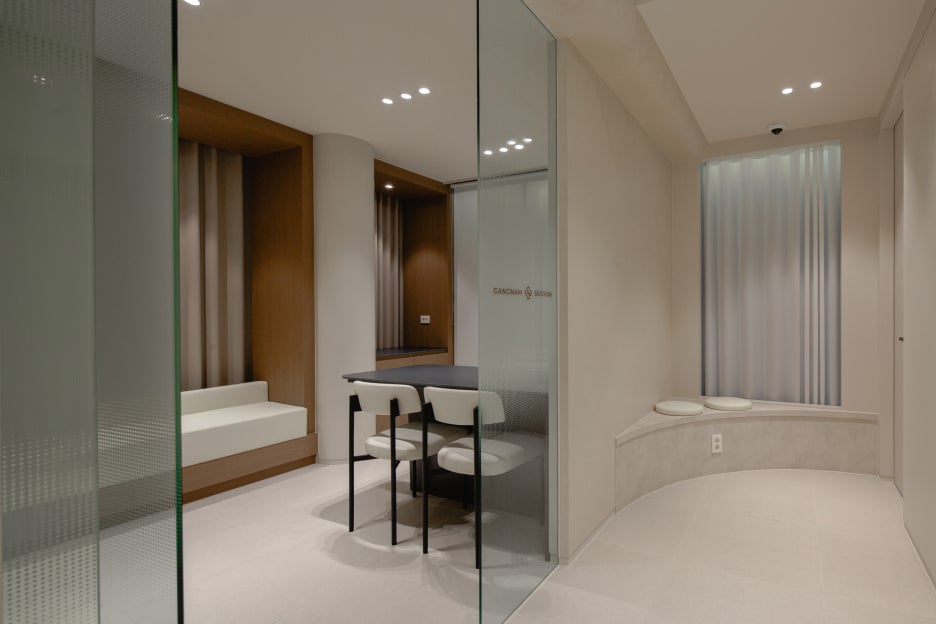
Inside Gangnam Seoyon clinic: a glass-walled consultation room with a table and chairs.
Gangnam Seoyeon Plastic Surgery Clinic complies with the Medical Service Act. The photos in this post were taken under the same conditions and with patients' prior consent. In addition, after cosmetic surgery and procedures, side effects such as bleeding, infection, and inflammation may occur depending on the individual, so caution is advised.
- Led by a board-certified plastic surgeon as Chief Director - Accurate assessment of eye condition/Recommends only necessary surgery - CCTV installed in operating rooms |
Feel free to visit and receive a one-on-one consultation
with a board-certified plastic surgeon :)
If you have any questions or would like a consultation,
please leave a comment, add us on KakaoTalk Plus Friends @강남서연성형외과의원,
or call 02-535-8889 :)






Frequently Asked Questions
How can I tell whether it's swelling or mucosal eversion?
The easiest criterion is the timeline. Simple swelling usually starts to subside within two weeks and disappears in about six months. If the mucosa still looks everted after this period, it's a good idea to have a consultation to check for mucosal eversion.
Why does mucosal eversion happen?
When there isn't enough skin after surgery, the eyelid is pulled upward, and the mucosa and lashes can appear to lift together. It often occurs alongside a high double eyelid crease.
Will mucosal eversion disappear completely after correction?
It's hard to say that it disappears completely. The less skin there is, the more mucosal eversion may remain even after correction. The clinic explains that correcting to the extent that no functional side effects occur often leads to considerable improvement.
What should I be careful about when correcting mucosal eversion?
Damage to the orbicularis oculi, the muscle that closes the eye, can cause lagophthalmos (a condition in which the eye does not close fully), so avoiding functional side effects is important. For this reason, the clinic recommends correcting only to the extent that no functional side effects occur rather than pushing too hard.
How long is the recovery period after mucosal eversion correction?
Return to daily life is usually 3–7 days later, and suture removal is usually 4–12 days after surgery. Treatment typically involves 1–2 clinic visits, with same-day discharge and no hospitalization. Anesthesia is described as sedation or local anesthesia. However, the recovery period may vary depending on the scope of correction and other procedures such as lowering the crease.