2026-10-20
Men's Double Eyelid Removal: Answers to the Questions We Hear Most Often in the Clinic
Men's double eyelid removal doesn't cut skin. It lowers the crease or advances the levator so the existing line blends in. Diagnosis comes first.
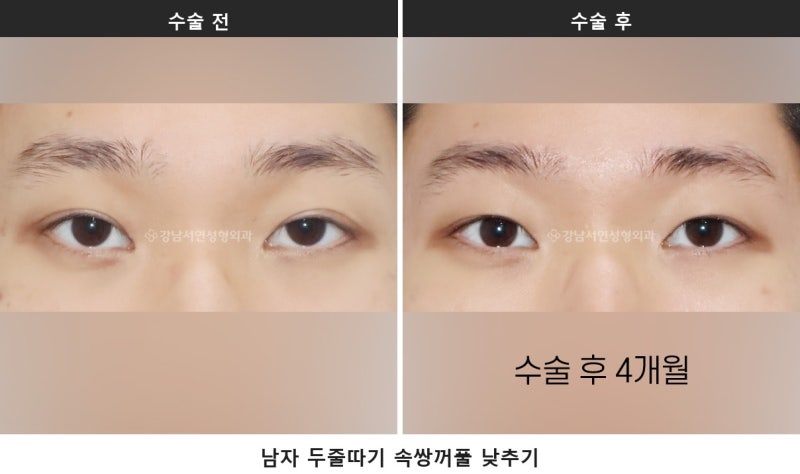
Men's Double Eyelid Removal: Answers to the Questions We Hear Most Often in the Clinic
EYE SURGERY · Men's Eye Surgery Guide
Start by understanding why this is not a procedure that cuts away skin
■ The Bottom Line
Men's double eyelid removal does not cut away skin to erase the crease. Instead, it lowers the crease or advances the levator muscle that lifts the eyelid, making the eyes look larger and allowing the existing crease to blend naturally into the eyelid tissue. It is mainly considered when a natural crease is deep and high enough to feel heavy, or when a previous crease surgery has looked unnatural over time. Because the right method depends on eyelid skin thickness and how much the existing crease overlaps, diagnosis comes first.
■ Q1. Can men have their double eyelid removed too?
Yes, it is possible. You may see it described as removing, lowering, or concealing the crease, but the core principle is the same: lower the crease or advance the levator muscle so the existing crease blends naturally into the eyelid tissue. People generally want this for one of two reasons. The first is a naturally deep, high crease that makes the eyes look heavy even though they never wanted that look. The second is a previous crease surgery that has settled into an unnatural shape over time. In both cases, many people say they have been told their look seems too intense or heavy.
■ Q2. Does removing a double eyelid involve cutting away skin?
No. Skin excision carries risks such as scarring and lagophthalmos (a condition in which the eye cannot close completely), so we do not recommend it. Instead, we mainly use methods that lower the crease to cover it. Even when the goal is the same, the results can differ greatly depending on the approach, so we explain this difference at the start of every consultation.
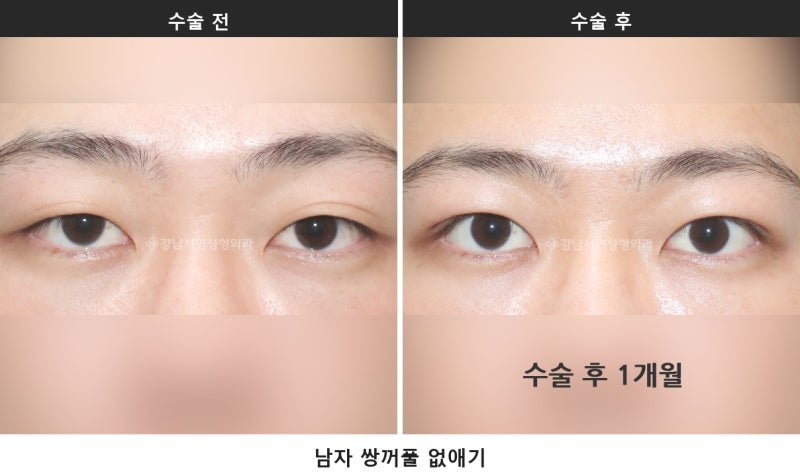
■ Q3. How can I tell if this applies to me?
If two or more of the following apply to you, we recommend getting a diagnosis.
- Your natural double eyelid crease is deeper and higher than you expected
- A previous surgical crease has become unnatural over time
- You often hear that your look seems heavy or stuffy
- You want eyes that look inconspicuous, such as no-crease or hidden-crease eyes
However, the same approach is not right for everyone. The options depend on your eyelid skin thickness and how much your existing crease overlaps. That is why we do not decide on a method without a diagnosis first.
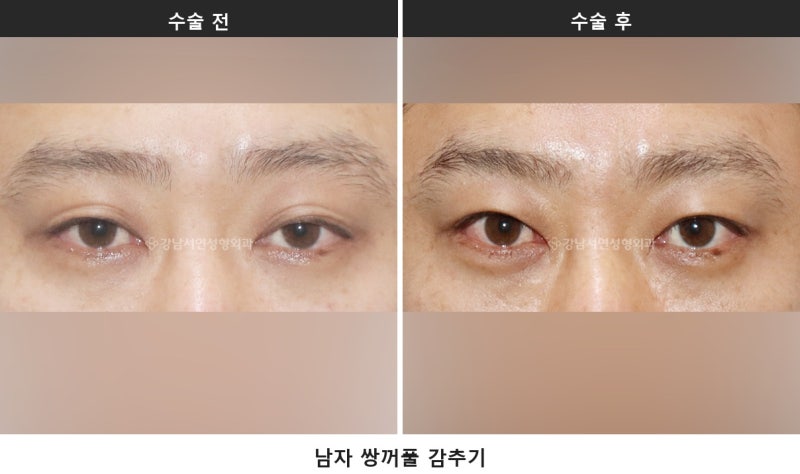
■ Q4. Will people be able to tell I've had surgery?
No-crease and hidden-crease designs aim to create a defined, clear impression while keeping the crease itself from standing out. Many men want a natural eye shape that does not look like they've had surgery, so we confirm the look you want in detail during consultation and design accordingly.
■ In Summary
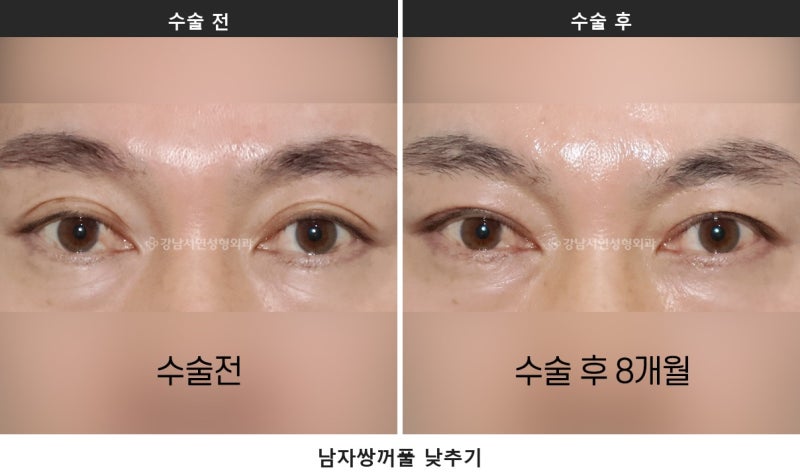
Men's double eyelid removal is not about cutting skin. It is about adjusting eye-opening strength and crease height to cover the existing crease. It is mainly considered for a naturally deep crease or a previous surgical crease that has become unnatural. Because the right method depends on your eyelid condition, diagnosis comes first.
■ This article can help if you're wondering:
- whether men can have their double eyelid removed
- how to lower the crease without cutting skin
- whether your natural crease or previous surgical crease is bothering you
- whether your surgery might be noticeable
■ Recovery Timeline
Surgery time: 30–60 minutes
Anesthesia: Sedation or local anesthesia
Clinic visits for treatment: 1–2
Suture removal: 4–12 days after surgery
Hospitalization: None (same-day discharge)
Return to daily life: 3–7 days after surgery
These timeframes may vary depending on your existing crease condition and the surgical method used.
■ FAQ
Q1. Is men's double eyelid removal a surgery that cuts away skin?
No. It does not remove skin to erase the crease. Instead, it lowers the crease or advances the levator muscle so the existing crease blends naturally into the eyelid. Skin excision is not recommended due to the risks of scarring and lagophthalmos.
Q2. When is it considered?
It is mainly considered when a natural double eyelid crease is deep and high enough to make the eyes look heavy, or when a previous crease surgery has settled into an unnatural shape over time.
Q3. Are the design goals different from women's double eyelid surgery?
The principle is the same, but the goals differ. Many women prefer designs where the crease is visible, while many men tend to prefer designs where the crease is not noticeable, such as no-crease or hidden-crease styles.
Q4. How is the method chosen?
Because the options depend on eyelid skin thickness and how much the existing crease overlaps, we make a diagnosis first and then decide on the method.
■ Gangnam Seoyeon Plastic Surgery's Approach
At Gangnam Seoyeon Plastic Surgery, chief director Choi Dong-il first assesses eyelid skin thickness and how much the existing crease overlaps, and then determines the method. During consultation, we check in detail the natural-looking results men want, such as hidden-crease or no-crease eyes, and we mainly use methods that cover the crease rather than cutting skin.
At Gangnam Seoyeon Plastic Surgery, we approach men's double eyelid removal based on three principles.
First, we do not decide on a method without a diagnosis.
Second, instead of skin excision, which carries risks of scarring and lagophthalmos, we use methods that cover the crease.
Third, we design around the look you want, confirmed in detail during consultation.
If you would like to see similar cases, you can check examples of lowering and removing men's double eyelid creases in the before-and-after photos on the Gangnam Seoyeon Plastic Surgery website.
■ Disclaimer
This content is provided for medical information purposes only and does not recommend any specific surgery or guarantee results. Complications such as bleeding, infection, and inflammation may occur after surgery. Results and recovery times may vary depending on individual skin condition and the method chosen. Accurate diagnosis and method selection must be confirmed through consultation with a qualified specialist.
The photos in this post were taken with the patients' prior consent.
Frequently Asked Questions
Can men have their double eyelid removed too?
Yes, it is possible. The key is to lower the crease or advance the levator muscle so the existing crease blends naturally into the eyelid tissue.
Does removing a double eyelid involve cutting away skin?
No. Skin excision carries risks such as scarring and lagophthalmos (a condition in which the eye cannot close completely), so we do not recommend it. Instead, we mainly use methods that lower the crease to cover it.
When is double eyelid removal considered?
It is mainly considered when a natural crease is deep and high enough to feel heavy, or when a previous crease surgery has looked unnatural over time. In both cases, many people say they have been told their look seems too intense or heavy.
How is the method for double eyelid removal decided?
We diagnose first and then decide on the method. The options depend on eyelid skin thickness and how much the existing crease overlaps, and we explain that the same approach is not right for everyone.
Will people be able to tell I've had surgery?
No-crease and hidden-crease designs aim to keep the crease from standing out. However, results can vary depending on individual skin condition and the chosen method, so we confirm the look you want in detail during consultation.
How long is recovery from double eyelid removal?
Suture removal is typically 4–12 days after surgery, and return to daily activities is 3–7 days later. Surgery takes 30–60 minutes, and patients are discharged the same day without hospitalization. Timeframes may vary depending on your existing crease condition and the surgical method.