2026-10-03
Eyelid Retraction: Why It Happens and How It Is Corrected
Explains why eyelid retraction happens after eye-shape correction surgery, the warning signs to watch for, how it is corrected, the recovery timeline, and common FAQs.

EYE REVISION · Revision Eye Surgery Information
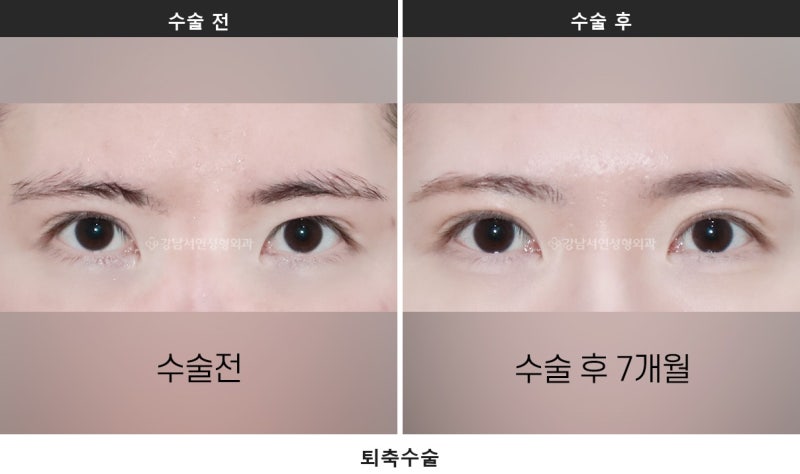
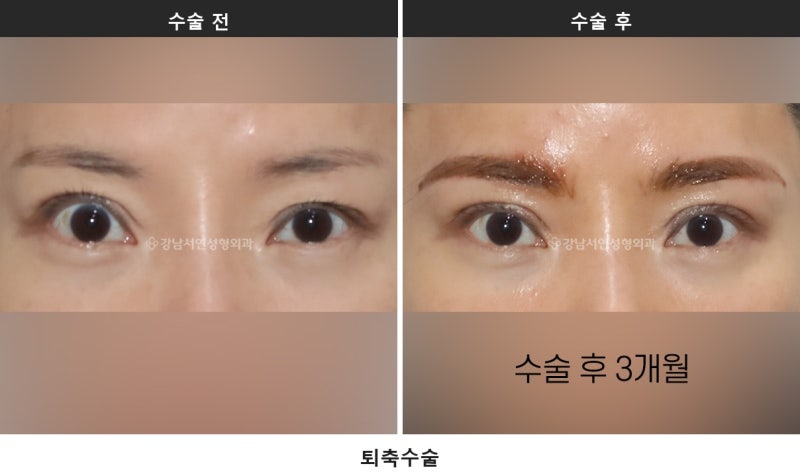
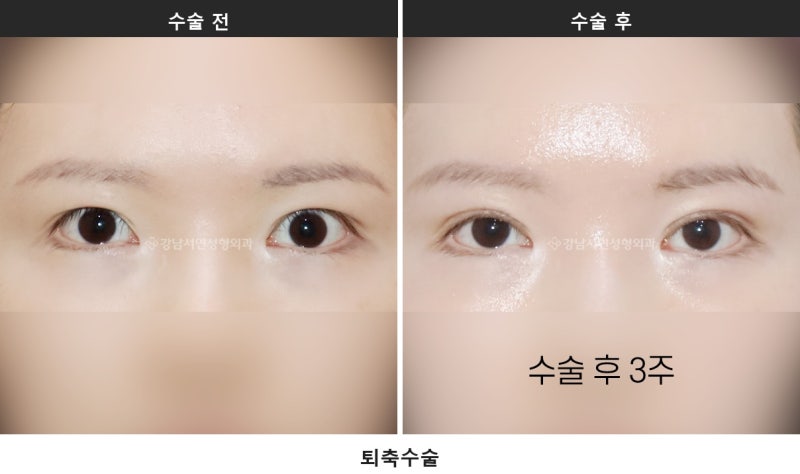
This is a typical change that appears after eye-shape correction surgery.

2022 · KSPRS EYELID STUDY GROUP
July Symposium of the Eyelid Study Group, Korean Society of Plastic and Reconstructive Surgeons
"Presentation on Eyelid Retraction Surgery"
■ The Short Answer
Eyelid retraction refers to a condition in which the eyes appear excessively open. It most often develops as a side effect after eye-shape correction surgery, although in some cases it is present from birth. At Gangnam Seoyeon, we diagnose the cause in each individual case and then correct it through readjustment.
■ Why Does Eyelid Retraction Happen?
It is most often caused by overcorrection during eye-shape correction surgery. Simply reversing the eye-shape correction will not restore the eyelid to its original position, so retraction surgery is required.
■ Signs to Watch For
If the whites of your eyes are slightly visible even when your eyes are closed, your eyes look unusually wide when open, or dryness has worsened, eyelid retraction may be the cause.
■ What Is Eyelid Retraction Surgery?
Eyelid retraction correction is a surgery that restores the "startled" eyes to their original position.
■ This Article Is Helpful If You Are Wondering About the Following
- Anyone whose eyes look unusually wide open after eye-shape correction surgery
- Anyone wondering what causes eyelid retraction
- Anyone curious about how the correction is performed
■ Recovery Timeline
Surgery time: Varies depending on the extent of correction
Anesthesia: Sedation or local anesthesia
Clinic visits: 1–2 times
Suture removal: Usually 4–12 days after surgery
Hospital stay: None (same-day discharge)
Return to daily life: 3–7 days later

■ FAQ
Q1. Does eyelid retraction improve on its own over time?
No, eyelid retraction does not improve on its own. It can be improved through appropriate correction.
Q2. Can it occur even without eye-shape correction?
It most often appears after eye-shape correction, but in some cases, congenital eyelid retraction also exists.
Q3. Is it different from a surgery that reverses eye-shape correction?
Yes, it is different. Since it cannot be resolved simply by reversing the eye-shape correction, you need to visit a specialist and undergo eyelid retraction surgery.
■ Gangnam Seoyeon's Approach
At Gangnam Seoyeon Plastic Surgery Clinic, Chief Director Dr. Choi Dong-il carefully evaluates eyelid tension and tissue condition before determining the direction of eyelid retraction correction.
At Gangnam Seoyeon Plastic Surgery Clinic, we approach eyelid retraction correction based on the following three principles.
First, a precise diagnosis by an experienced board-certified plastic surgeon.
Second, a treatment tailored to each individual.
Third, a stable approach that minimizes the risk of recurrence.
If you would like to see similar cases, you can view eyelid retraction surgery cases in the before-and-after photos on the Gangnam Seoyeon Plastic Surgery Clinic website.
■ Disclaimer
This content is written solely to provide medical information and does not recommend any specific surgery or guarantee results. Complications such as bleeding, infection, and inflammation may occur after surgery, and results and recovery periods may vary depending on individual skin condition and the method chosen. Accurate diagnosis and choice of treatment must be confirmed through consultation with a specialist.
The photos in this post were taken with the patients' prior consent.
Gangnam Seoyeon Plastic Surgery Clinic | Chief Director Dr. Choi Dong-il
20 Gangnam-daero 154-gil, Gangnam-gu, Seoul (Exit 7, Sinsa Station, Sinbundang Line)
Weekdays 09:30–18:30 · Saturday 09:30–16:30 · Closed Sundays and public holidays
02-535-8889

Dr. Choi Dong-il
Board-certified plastic surgeon
Current: Chief Director, Gangnam Seoyeon Plastic Surgery Clinic (2015–present)
Former: Director, BK Plastic Surgery Clinic (2011–2013)
Former: Director, Regen Plastic Surgery Clinic (2013–2015)
Outpatient Professor, Department of Plastic Surgery, Korea University College of Medicine
Chair of the Academic Committee, Eyelid Study Group, Korean Society of Plastic and Reconstructive Surgeons
Outpatient Professor, Department of Plastic Surgery, Kangdong Sacred Heart Hospital
Full Member, Korean Society of Plastic and Reconstructive Surgeons
Full Member, Korean Society of Aesthetic Plastic Surgery
Full Member, Korean Society of Craniofacial Plastic Surgery
Member, International Confederation of Plastic, Reconstructive and Aesthetic Surgery (IPRAS)
Full Member, Korean Society for Surgery of the Hand
Full Member, Korean Association of Plastic Surgeons
Member, Academic Committee, Korean Society of Plastic and Reconstructive Surgeons
Expert Reviewer, Editorial Committee, Korean Society of Aesthetic Plastic Surgery
Former Finance Director, current Information Director, Korean Association of Plastic Surgeons
Member of the Information & Communications Committee and Public Relations Committee, Korean Society of Aesthetic Plastic Surgery
Full Member, Eyelid Study Group, Korean Society of Plastic and Reconstructive Surgeons
Former General Affairs Director, Eyelid Study Group, Korean Society of Plastic and Reconstructive Surgeons
Full Member, Rhinoplasty Study Group, Korean Society of Plastic and Reconstructive Surgeons
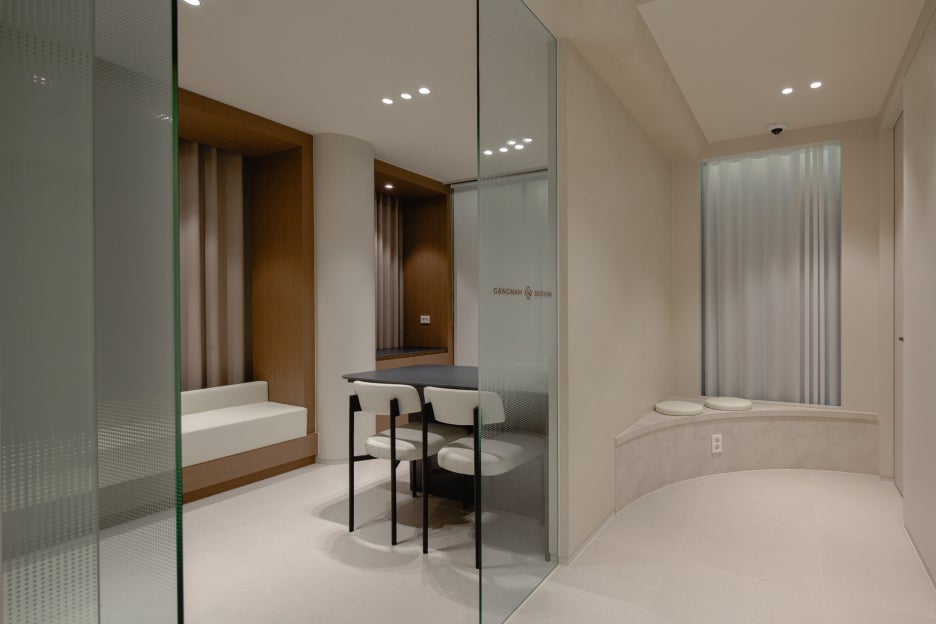
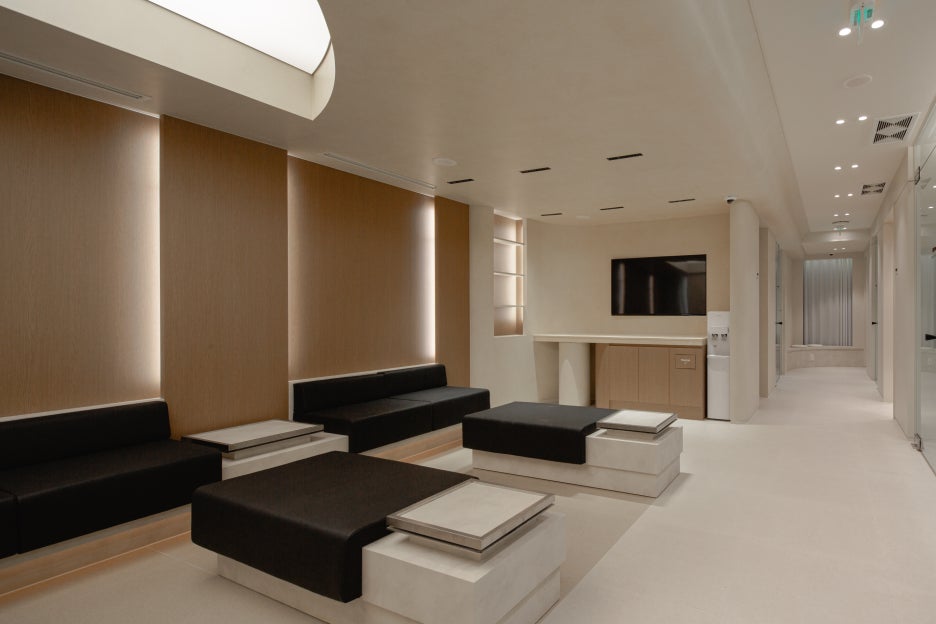
The clinic's waiting lounge with black sofas, a TV and a hallway.
Inside the Gangnam Seoyon clinic: a glass-walled consultation room with a table and chairs.
Gangnam Seoyeon Plastic Surgery Clinic complies with the Medical Service Act. The photos in this post were taken under identical conditions with the patients' prior consent. Also, depending on the individual, side effects such as bleeding, infection, and inflammation may occur after cosmetic surgery or procedures, so caution is advised.
- Board-certified plastic surgeon serving as Chief Director in a single-doctor practice - Accurately assesses your eye condition / recommends only the surgery you need - CCTV installed in operating rooms |
Feel free to visit us for a one-on-one consultation with a board-certified plastic surgeon :)
If you have any questions or would like a consultation, leave a comment, add us on KakaoTalk Plus Friends @강남서연성형외과의원, or call 02-535-8889 :)






Frequently Asked Questions
Does eyelid retraction improve on its own over time?
No, eyelid retraction does not improve on its own. It is a condition in which the eyes look excessively open or startled, or functional discomfort persists, so it can only be improved through appropriate corrective surgery performed by a medical professional.
Can eyelid retraction occur without having eye-shape correction surgery?
Yes, it can. Eyelid retraction most often results from overcorrection during eye-shape correction surgery, but some people have congenital eyelid retraction even without any eye surgery.
Is eyelid retraction resolved by reversing previous eye-shape correction surgery?
No, simply reversing the eye-shape correction does not resolve the problem. Because the tissue does not return to its original state once the correction is undone, you need eyelid retraction surgery, in which a specialist readjusts the position of the eyelids.
How long is the recovery period after eyelid retraction correction surgery?
Returning to daily life usually takes about 3–7 days after surgery. Same-day discharge is possible, and suture removal is usually performed 4–12 days later. Recovery time may vary depending on individual condition and the extent of correction.
What symptoms might indicate eyelid retraction?
It may be worth considering if the whites of your eyes are slightly visible even when your eyes are closed, or if dryness has worsened. Also, if your eyes look unusually wide when open or you appear startled, it is advisable to get a professional evaluation.