2026-11-14
Eye-Lift Surgery: Correcting the Muscle That Opens Your Eyes
Eye-lift surgery corrects ptosis, a drooping-eyelid condition that can make you look sleepy. Covers self-checks, incision vs. non-incision methods, recovery, and FAQs.
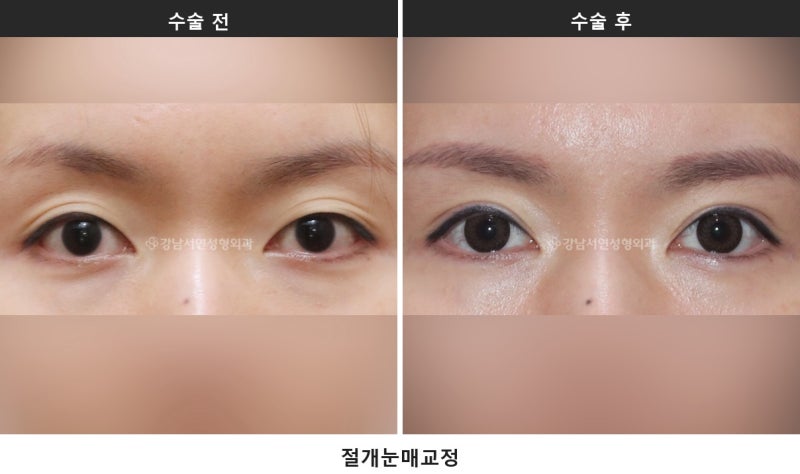
EYE SURGERY · Eyelid Surgery Information
A guide to checking for ptosis and understanding the differences between incision and non-incision methods
■ The Bottom Line
Eye-lift surgery treats ptosis, a condition in which weakened eyelid-lifting muscles let the eyelid droop over more of the iris than normal, making the eyes look sleepy and tired. Because the muscles of both eyelids must be balanced with precision, this is a demanding procedure, so the most important step is getting a diagnosis that matches your eye condition.
■ How to Check for Ptosis
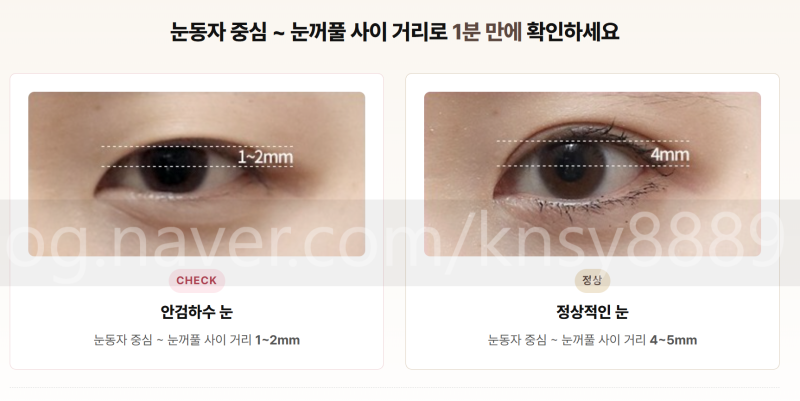
In an ideal eye, more than 80% of the iris is visible when the eyes are open. If the distance from the center of the pupil to the eyelid is 4–5 mm, the eye is considered normal. If the distance is only 1–2 mm, ptosis may be suspected. For an accurate assessment, it is best to have an examination.
■ Problems That Can Develop If Left Untreated
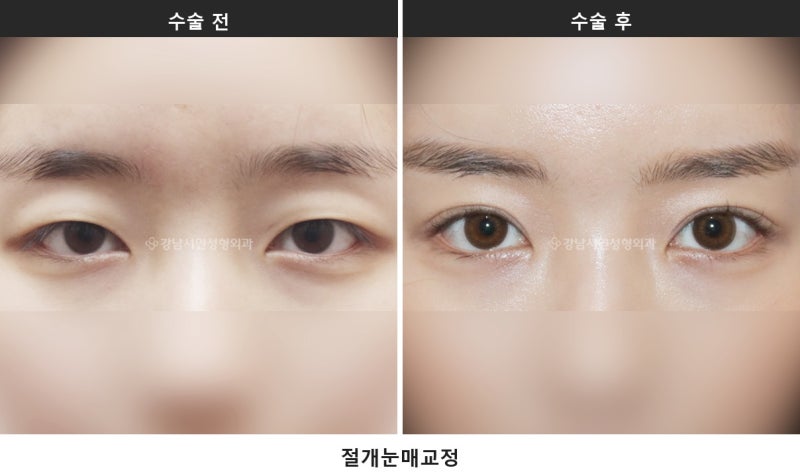
If ptosis is left as it is, you may end up using your forehead muscles to open your eyes, which can cause forehead wrinkles. It can also lead to uneven eye sizes, eyelashes poking the eye, headaches, and reduced vision. For these reasons, correction may be needed beyond simply improving the appearance of the eyes.
■ Incision Eye-Lift: Applied in Most Cases
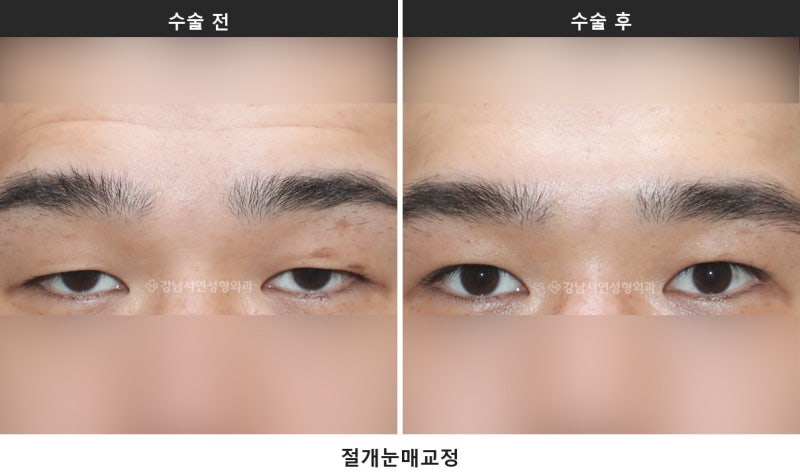
The incision method adjusts the aponeurosis of the levator muscle, which lifts the eyelid, and advances it forward. Unless the ptosis is pathological, the muscle is not cut away. Instead, only its end is precisely advanced and secured, and the outcome depends on preserving the orbicularis oculi, the muscle that closes the eye, without damaging it. Gangnam Seoyeon Plastic Surgery Clinic closes the incision using a dynamic fixation technique to keep the line from loosening.
The procedure follows this sequence: after diagnosing the eye condition, the method and design are determined; the incision is made according to the design; unnecessary muscle and fat are removed; and the muscle tension is adjusted before suturing.
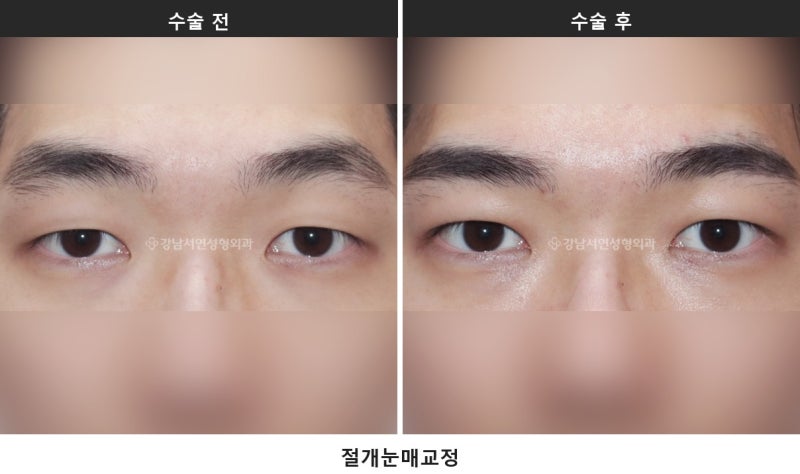
■ Non-Incision Eye-Lift: Considered Carefully in Select Cases
The non-incision method secures Müller's muscle through the conjunctiva. It is carefully considered for patients whose eyes are slightly small but whose eyelid-lifting strength is not weak. However, in practice, the non-incision method is applied in no more than 10% of all cases.
■ Eye-Lift Side Effects and Scars: Myths vs. Facts
Side effects do not always occur with eye-lift surgery. What matters most is performing the right procedure, and only when it is truly needed. The director does not apply a specific method simply because a patient requests it. Instead, the director personally determines which approach is needed by weighing eyelid thickness, muscle strength, and skin elasticity together. Not every incision leaves a scar. The incision line sits subtly inside the double-eyelid line and becomes inconspicuous naturally over time.
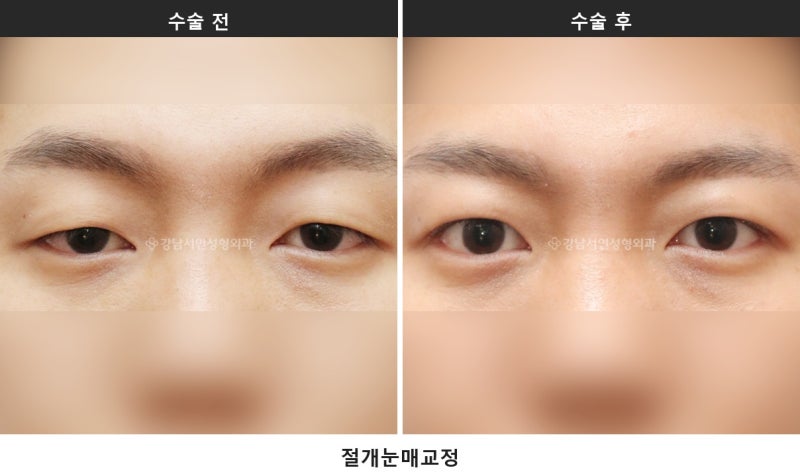
■ What Recovery Looks Like
Sutures are removed 4–12 days after surgery, major swelling subsides within 1–2 weeks, and daily activities can be resumed 3–7 days after surgery. Natural-looking results settle in around 3–6 months. Because the incision method reshapes the tissue itself to create the line, the risk of loosening is lower than with the buried suture method. Inner-corner or outer-corner canthoplasty can also be performed at the same time.
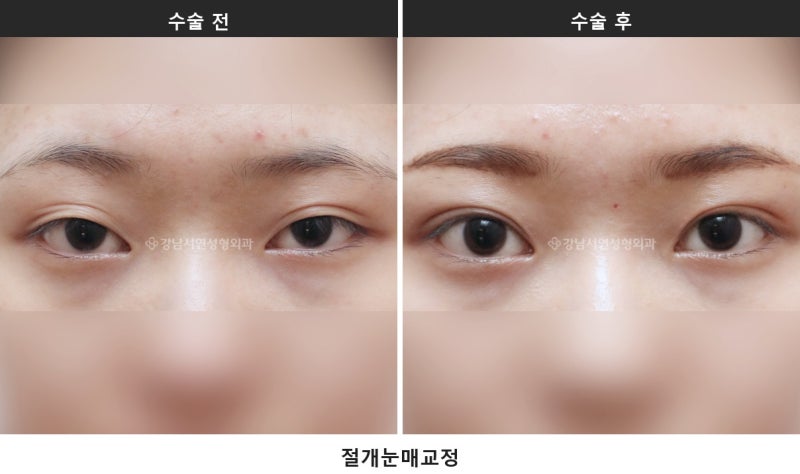
■ If You Have These Questions, This Article Can Help
- Anyone whose iris is largely covered when their eyes are open
- Anyone who raises their forehead or eyebrows to open their eyes
- Anyone concerned about uneven eye sizes
- Anyone concerned about looking sleepy or tired
■ Recovery Timeline
Surgery time: 30–60 minutes
Anesthesia: Sedation or local anesthesia
Clinic visits: 1–2
Suture removal: 4–12 days later
Hospitalization: None (same-day discharge)
Return to daily life: 3–7 days later
Major swelling subsides within 1–2 weeks, and natural-looking results settle in around 3–6 months. Timing and results may vary depending on your eye condition and the method chosen.
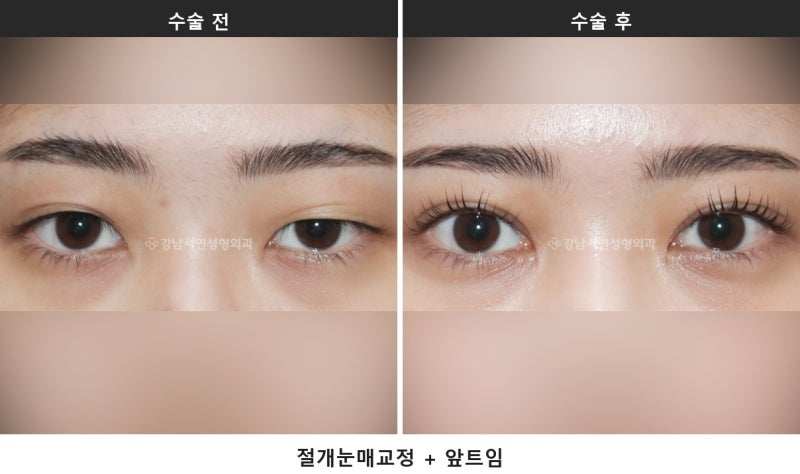
■ FAQ
Q1. How long does recovery take after eye-lift surgery?
Major swelling subsides within 1–2 weeks, and you can return to daily life 3–7 days after surgery. Natural results settle in about 3 to 6 months.
Q2. Will the incision leave a scar?
The incision line sits minutely inside the double-eyelid line and becomes inconspicuous naturally over time. However, recovery speed varies from person to person.
Q3. Will the eye-lift line loosen afterward?
Because the incision method reshapes the tissue to create the line, the risk of loosening is low. Gangnam Seoyeon Plastic Surgery Clinic also applies dynamic fixation sutures to improve durability.
■ Gangnam Seoyeon Plastic Surgery Clinic's Approach
At Gangnam Seoyeon Plastic Surgery Clinic, CEO and Director Dr. Choi Dong-il personally handles everything from consultation through surgery to aftercare. After comprehensively evaluating eyelid thickness, eyelid-lifting muscle strength, and skin elasticity, the clinic decides between incision and non-incision methods and proceeds with a dynamic fixation technique that preserves the orbicularis oculi.
Gangnam Seoyeon Plastic Surgery Clinic approaches eye-lift surgery based on three principles.
First, a precise diagnosis from an experienced board-certified plastic surgeon.
Second, choosing the method that suits your eye condition.
Third, delicate surgery that preserves the orbicularis oculi.
If you would like to see similar cases, you can view incision eye-lift cases in the before-and-after photos on the Gangnam Seoyeon Plastic Surgery Clinic website.
■ Disclaimer
This content is written to provide medical information. It does not recommend any specific surgery or guarantee results. Complications such as bleeding, infection, and inflammation may occur after surgery, and results and recovery periods may vary depending on individual skin condition and the method chosen. Please confirm an accurate diagnosis and choice of method through consultation with a specialist.
The photos in this post were taken with the patients' prior consent.
Gangnam Seoyeon Plastic Surgery Clinic | Dr. Choi Dong-il, CEO and Director
20, Gangnam-daero 154-gil, Gangnam-gu, Seoul (Exit 7, Sinsa Station, Sinbundang Line)
Weekdays 09:30–18:30 · Saturday 09:30–16:30 · Closed Sundays and public holidays
02-535-8889

Dr. Choi Dong-il
Board-certified plastic surgeon
Current: CEO and Director, Gangnam Seoyeon Plastic Surgery Clinic (2015–present)
Former Director, BK Plastic Surgery Clinic (2011–2013)
Former Director, Regen Plastic Surgery Clinic (2013–2015)
Outpatient Adjunct Professor, Department of Plastic Surgery, Korea University College of Medicine
Chair, Academic Committee, Eyelid Surgery Research Group, Korean Society of Plastic and Reconstructive Surgery
Outpatient Adjunct Professor, Department of Plastic Surgery, Kangdong Sacred Heart Hospital
Full Member, Korean Society of Plastic and Reconstructive Surgery
Full Member, Korean Society of Aesthetic Plastic Surgery
Full Member, Korean Society of Craniofacial Surgery
Member, International Confederation for Plastic, Reconstructive and Aesthetic Surgery (IPRAS)
Full Member, Korean Society for Surgery of the Hand
Full Member, Korean Society of Plastic Surgeons
Member, Academic Committee, Korean Society of Plastic and Reconstructive Surgery
Expert Reviewer, Editorial Committee, Korean Society of Aesthetic Plastic Surgery
Former Finance Director, current Information Director, Korean Society of Plastic Surgeons
Information and Public Relations Committee Member, Korean Society of Aesthetic Plastic Surgery
Full Member, Eyelid Surgery Research Group, Korean Society of Plastic and Reconstructive Surgery
Former General Affairs Director, Eyelid Surgery Research Group, Korean Society of Plastic and Reconstructive Surgery
Full Member, Nose Surgery Research Group, Korean Society of Plastic and Reconstructive Surgery
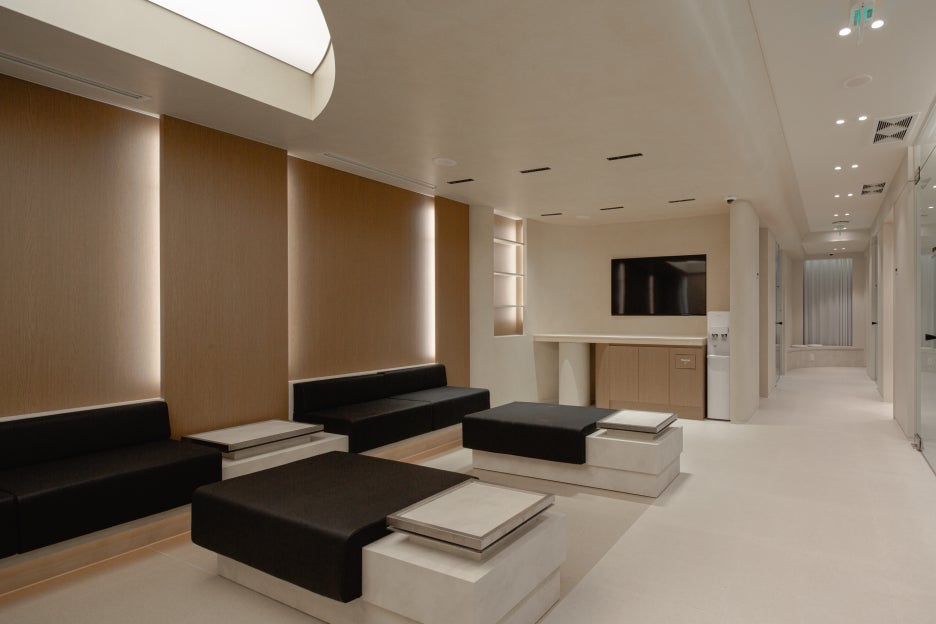
The clinic's waiting lounge with black sofas, a wall-mounted TV, a water dispenser and a long corridor.
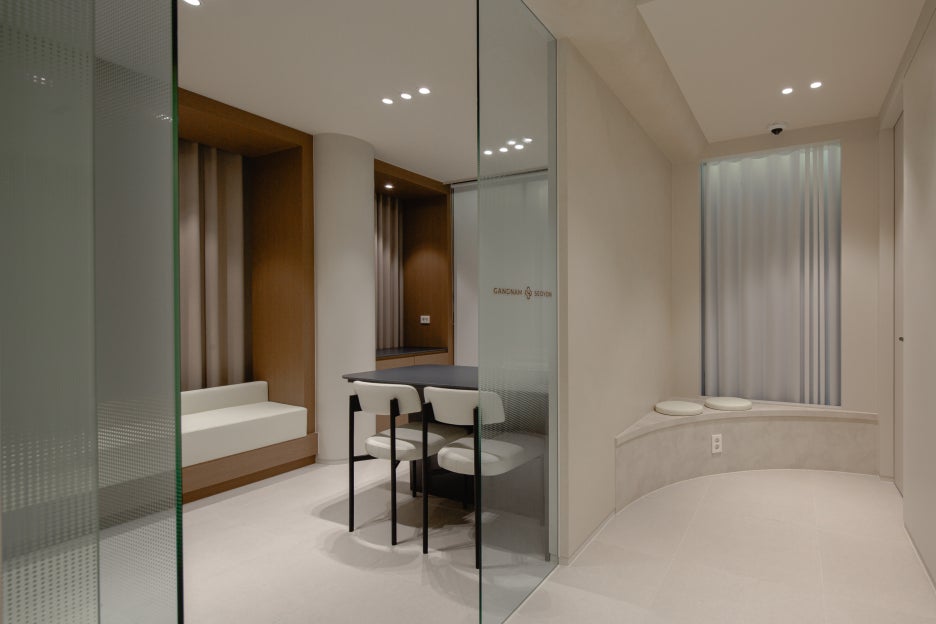
Inside the clinic: a room with a table and white chairs behind a glass partition bearing the Gangnam Seoyon logo.
Gangnam Seoyeon Plastic Surgery Clinic complies with the Medical Service Act. The photos in this post were taken under identical conditions and with the patients' prior consent. Also, since bleeding, infection, inflammation, and other side effects may occur after plastic surgery and procedures depending on the individual, caution is required.
- Single board-certified plastic surgeon serves as CEO and director - Accurately assess eye condition / recommend only necessary surgery - Operating room equipped with CCTV |
Feel free to visit and get a 1:1 consultation with a board-certified plastic surgeon :)
If you have any questions or would like a consultation,
leave a comment or add us on KakaoTalk Plus Friends at @강남서연성형외과의원
or call 02-535-8889 :)






Frequently Asked Questions
How long is recovery after eye-lift surgery?
You can return to daily activities 3–7 days after surgery, and major swelling subsides within 1–2 weeks. Sutures are removed 4–12 days after surgery, and natural-looking results settle in around 3–6 months. Recovery speed may vary depending on your eye condition and the method chosen.
Will an eye-lift leave a scar?
Not every incision leaves a scar. The incision line sits minutely inside the double-eyelid line and becomes inconspicuous naturally over time. However, recovery speed can vary from person to person.
Will the eye-lift line loosen afterward?
The incision method reshapes the tissue to create the line, so the risk of loosening is described as lower than with the buried suture method. However, results and how long they last depend on individual skin condition and the method chosen.
How is ptosis checked?
It can be assessed by measuring the distance from the center of the pupil to the eyelid. A distance of 4–5 mm is normal, while 1–2 mm may indicate ptosis. Ideally, more than 80% of the iris is visible when the eyes are open, but an accurate assessment requires an examination.
Which method is applied: incision or non-incision?
The incision method is applied in most cases. The non-incision method is carefully considered only in limited cases, where the eyes are slightly small but eyelid-lifting strength is not weak. In practice, non-incision methods are applied in no more than 10% of cases.
What problems can untreated ptosis cause?
Left untreated, it can lead to forehead wrinkles, uneven eye sizes, eyelash irritation, headaches, and reduced vision. For this reason, correction may be needed beyond simply improving the appearance of the eyes.