2026-11-23
Double Eyelid Surgery Timing for High School Seniors: For a First Monolid Procedure, Diagnosis Comes First
A guide for high school seniors planning a first double eyelid surgery: why eyelid fat, skin, and drooping matter more than timing or the buried-vs-incision debate.
EYE SURGERY · First Double Eyelid Surgery
Whether the buried method is better for a first surgery varies from eye to eye
■ The Bottom Line
Most people searching for double eyelid surgery timing as high school seniors are preparing for their first procedure. For a first surgery especially, it's more important to determine which method suits your eyes than to decide when to have it. Some say the buried method is always better for first-timers, but both the buried and incision methods have pros and cons, and the right choice depends on eyelid fat, skin elasticity, and the degree of drooping.
■ The Claim That "Buried Is Better for a First Surgery"
Some people preparing for their first surgery ask whether the buried method is better than the incision method for a first-timer, or whether an incision will leave a scar. Both methods have their pros and cons, so the method isn't decided simply because it's a first surgery. Gangnam Seoyeon Plastic Surgery is well known for revision eye surgeries, but we also perform many first-time procedures.
■ First Surgeries Suited to the Buried Method
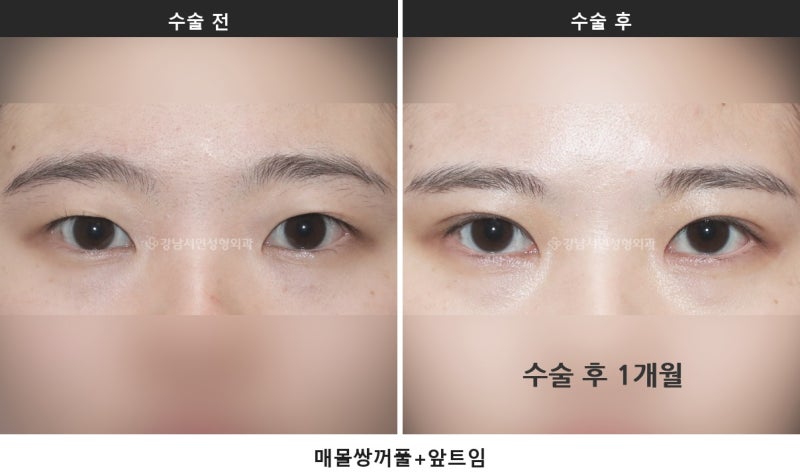
The buried method is performed through only tiny punctures in the conjunctiva or skin, and the crease is secured by precisely tying the line in place with medical sutures. It is suitable in the following cases.
- People with thin, elastic skin
- People with little drooping or fat
- People who want a quick return to daily life
- People who are especially worried about swelling and scarring
■ Does the Buried Method Always Come Loose?
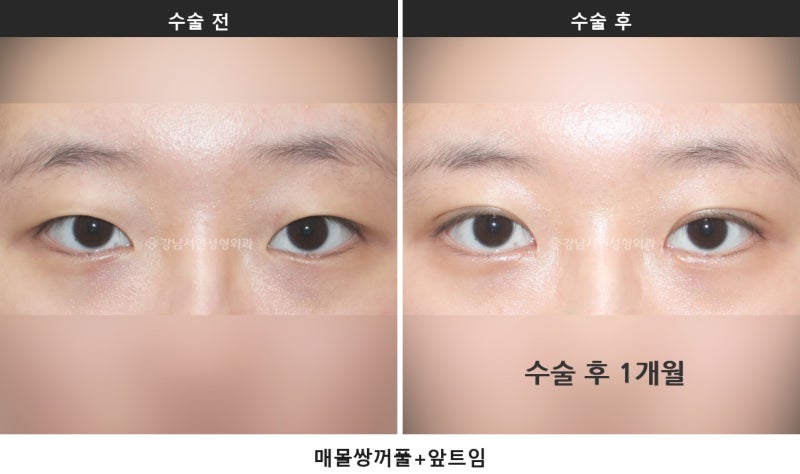
When the buried method loosens, it is mostly because the eye was wrongly judged as a candidate for the procedure, or because there were too few knots or they were not tied deep enough. That's why the key is to accurately determine from the start whether an eye is suitable for the buried method, then carefully plan the knot position, number, and depth so the line stays secure even during everyday activities. For eyes with drooping or thick skin, we recommend the incision method instead of the buried method.
■ Eyes That Call for the Incision Method Even in a First Surgery
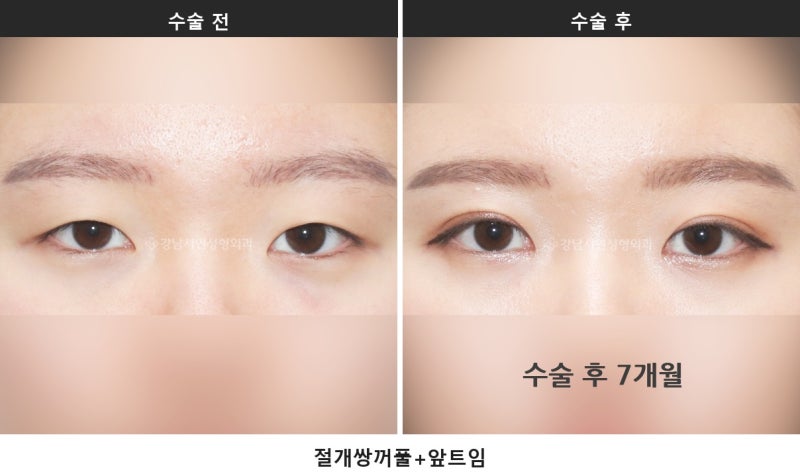
Some people are taken aback when they're advised to get the incision method for a first surgery, but some eyes do achieve a better double eyelid result with the incision method.
- People with a lot of fat in the eyelids (the buried method is likely to loosen in these cases)
- People with elastic or tough skin
- People with significant eyelid drooping (this includes cases where the eyelids have drooped from using double eyelid tape or double eyelid glue since childhood)
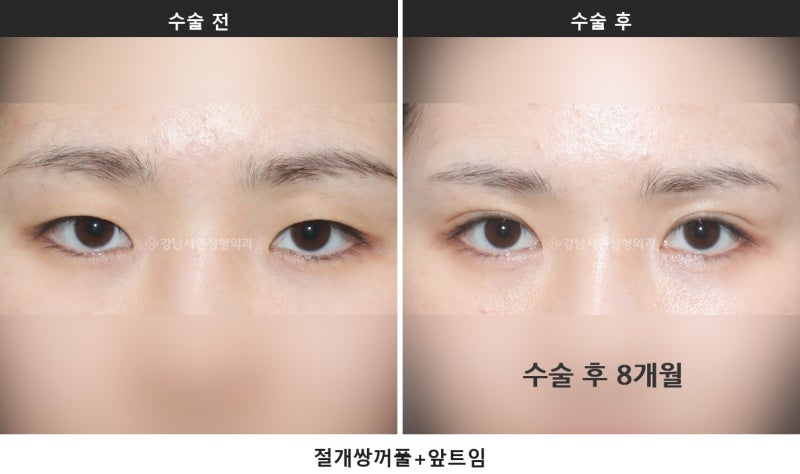
If sagging skin is not removed, the result can be a puffy, sausage-like eyelid or a stiff, straight-line crease. The incision method allows appropriate removal of fat or muscle, and because the surgeon can see the inside of the eyelid directly, it enables more precise surgery.
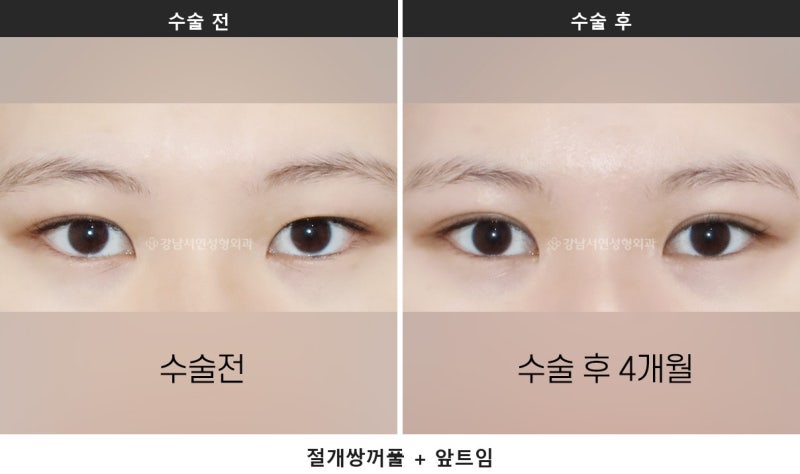
■ Two Misconceptions About the Incision Method
Using the incision method doesn't automatically result in a wide, obvious crease. Thin creases, such as an inner double eyelid, are also possible. It's true that recovery is slower with the incision method than with the buried method, but at Gangnam Seoyeon Plastic Surgery, we use precision suturing so that the scar sits naturally inside the crease line, which minimizes visible scarring.
■ Three Things to Check Before a First Double Eyelid Consultation
We recommend checking how thick your eyelid skin is and how much fat you have, whether your eyes droop enough to need eye-shape correction, and whether there is asymmetry between your left and right eyes and how pronounced it is. These three factors are the key criteria in deciding whether the buried or incision method is more suitable, and an accurate assessment requires a direct examination of your eyelids during a consultation.
■ Timing Comes After the Method Is Decided
Once the method is chosen, you can plan around a return to daily life in about 2–3 days for the buried method and 5–7 days for the incision method. For how to pick a surgery date based on each method's recovery timeline, see our detailed post, "When Should You Have Double Eyelid Surgery After the CSAT?"
■ Who This Article Is For
- People planning a first double eyelid surgery in the winter of their senior year
- People who have heard that the buried method is always better for a first surgery
- People who are torn after being recommended the incision method during a consultation
- People worried that the incision method leaves a thick line and a visible scar
■ FAQ
Q1. I was recommended the incision method for my first surgery. Is that okay?
If you have a lot of eyelid fat, your skin is elastic or tough, or your eyes droop significantly, the incision method may be needed to get a good double eyelid result. The deciding factor is the condition of your eyes, not whether it's your first surgery.
Q2. Can I switch to the incision method later if I've had the buried method first?
Yes, it's possible. However, if you're having a revision after the buried method line has come loose, a precise diagnosis that takes the state of the tissue into account is needed first.
Q3. Will the incision method make the crease look thicker?
Not necessarily. Using the incision method doesn't automatically make the crease thicker. Depending on the design, a thin crease like an inner double eyelid is also possible.
Q4. Does the buried method leave a scar?
The buried method doesn't involve cutting the skin, so the scarring burden is generally low. We aim to minimize any visible scarring.
■ Gangnam Seoyeon Plastic Surgery's Approach
At Gangnam Seoyeon Plastic Surgery, Dr. Choi Dong-il, the clinic's chief director, comprehensively evaluates skin thickness, muscle strength, and elasticity to first determine whether the buried method is a good fit for the eye. Because the amount of fat, orbicularis oculi muscle, and pretarsal tissue that needs to be removed differs from person to person, it's important to make an accurate diagnosis tailored to each eye.
At Gangnam Seoyeon Plastic Surgery, we approach first double eyelid surgery based on three principles.
First, we determine the method based on the condition of the eyes rather than whether it's a first surgery.
Second, for the buried method, we precisely plan the position, number, and depth of the knots.
Third, for eyes that fall outside the indications for the buried method, we recommend the incision method.
If you're considering a first double eyelid surgery, we recommend having your eyelid condition checked during a consultation first.
■ Disclaimer
This content is written for the purpose of providing medical information and does not recommend any specific surgery or guarantee results. Complications such as bleeding, infection, and inflammation may occur after surgery, and results and recovery periods may vary depending on individual skin condition and the method chosen. Please be sure to confirm an accurate diagnosis and method selection through consultation with a specialist.
The photos in this post were taken with the patients' prior consent.
Frequently Asked Questions
I was recommended the incision method for my first surgery. Is that okay?
The incision method may be recommended even for a first surgery, and the deciding factor is the condition of your eyes rather than whether it's your first time. If you have a lot of eyelid fat, your skin is elastic and tough, or your eyes droop significantly, the incision method may be needed to get a good double eyelid result.
If I have the buried method first, can I switch to the incision method later?
Yes, it's possible. However, if a revision is performed after the buried method line has come loose, a precise diagnosis that considers the condition of the tissue is needed first.
Will the incision method make the crease thicker?
No, using the incision method doesn't automatically make the crease thicker. Crease thickness depends on the design, and thin creases, such as an inner double eyelid, are also possible.
Does the buried method leave a scar?
The buried method generally carries a low scarring burden. Because it doesn't involve cutting the skin, we proceed with the aim of minimizing any visible scarring. However, results may vary depending on individual skin condition and the method chosen.
How long is the recovery period for the buried method and the incision method?
For the buried method, a return to daily life takes about 2–3 days, and for the incision method, about 5–7 days; these are used as the basis for planning your schedule. Once the method is decided, we guide patients to set the surgery date according to the recovery timeline for that method.
Does the buried method always come loose?
No, it doesn't always come loose. We explain that when the buried method does come loose, it's mostly because the eye was wrongly judged as a candidate or because there were too few knots or they weren't tied deep enough. That's why the key is to accurately determine from the start whether an eye is suitable for the buried method.