2026-11-03
Double Eyelid Surgery Consultation Checklist: What to Check Before Your Visit
A checklist of key questions to ask before double eyelid surgery consultation, covering non-incision vs. incision methods, eye-opening correction, redo surgery, and recovery schedules.
EYE SURGERY · Eye Surgery Information
The procedure is decided only after checking the condition of your eyelids
■ The Bottom Line
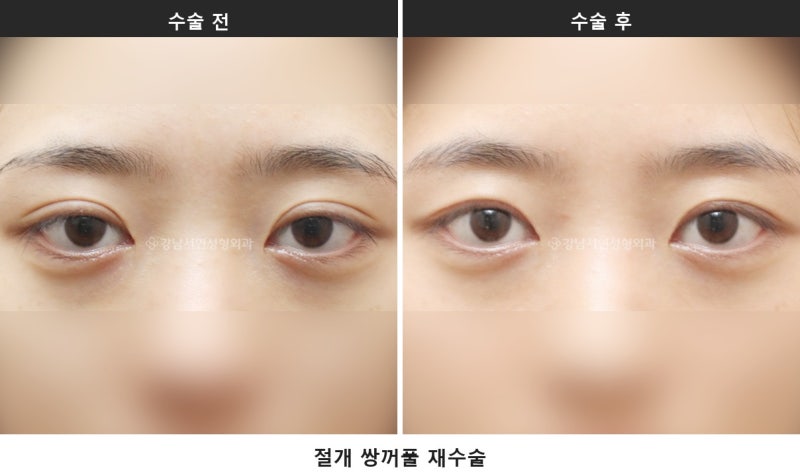
In a double eyelid consultation, we check the condition of the eyelids before the crease design. The medical information on our website lists three criteria to review before your first eye surgery consultation: eyelid skin thickness and fat volume, eye-area drooping (whether eye-opening correction is needed), and asymmetry between the left and right eyes. These three factors are the key criteria for determining whether the non-incision method or the incision method is more suitable, so preparing the questions below in advance will make your consultation much more productive.
■ Question 1. Which is right for my eyes: the non-incision method or the incision method?
The choice between the two methods depends on your eye condition, not on price. The non-incision method suits eyes with thin eyelid skin and little drooping or fat. The incision method is better for thick skin, drooping, a lot of upper eyelid fat that prevents the crease from holding well, or pronounced eye asymmetry. It is possible to start with the non-incision method and switch to the incision method later. However, if you are having a redo surgery after the embedded crease has loosened, a precise examination that considers the condition of the tissue must come first.
■ Question 2. Do my eyes need eye-opening correction?
Double eyelid surgery creates a crease, while eye-opening correction improves the ability to lift the eyelid (levator muscle function), so the two serve different purposes. If any of the following apply to you, we advise that a simple double eyelid procedure alone may not achieve the result you want.
- You feel your forehead muscles tensing or your eyebrows lifting when you open your eyes
- There is a clear size difference between your left and right eyes
- You often hear that your eyes look tired or sleepy
- You still feel the crease looks heavy or your eyes don't feel fully open even after double eyelid surgery
- Your upper eyelid is drooping so the double eyelid crease is hard to see
Accurate assessment requires a levator muscle function test during the examination. Rather than judging for yourself, it is safer to confirm with a specialist's diagnosis.
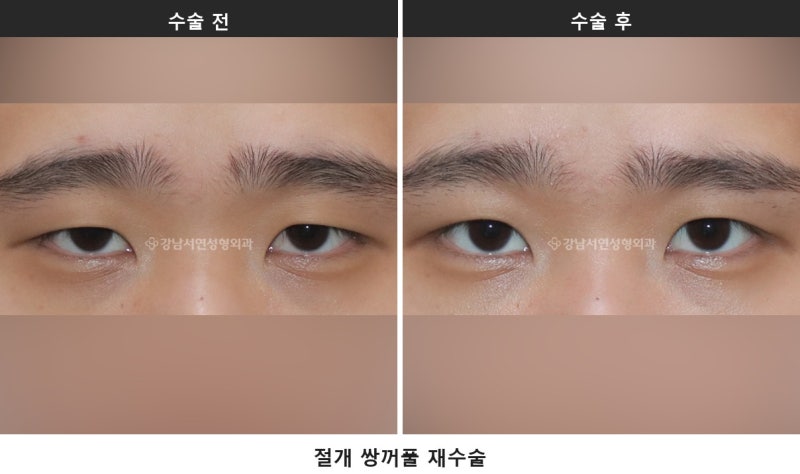
■ Question 3. My eyes look different from each other. Can this be corrected?
During the consultation, we will check which eye differs and how, and whether the difference comes from eye-opening strength or eyelid thickness.
■ Question 4. Can I also get an inner corner or outer corner opening at the same time?
Non-incision double eyelid surgery can be combined with corner openings, and you can also adjust the crease length and overall eye impression in one session. Which opening is needed depends on your eye condition, so it's best to describe the look you want in detail during your consultation.
■ Question 5. I've had eye surgery before. What should I do?
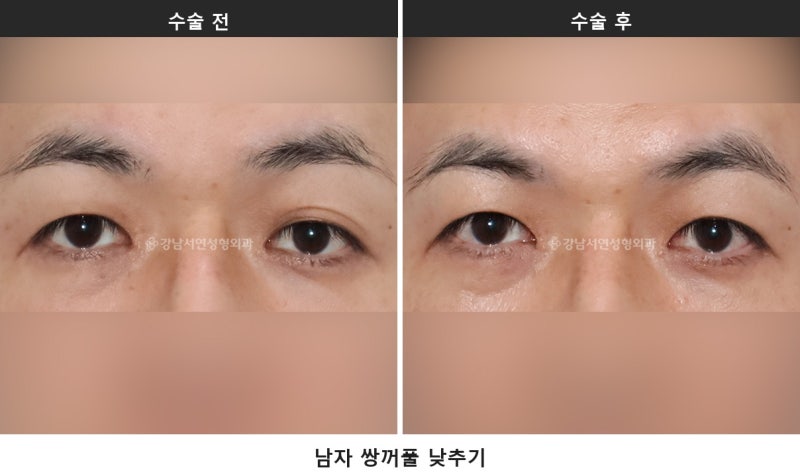
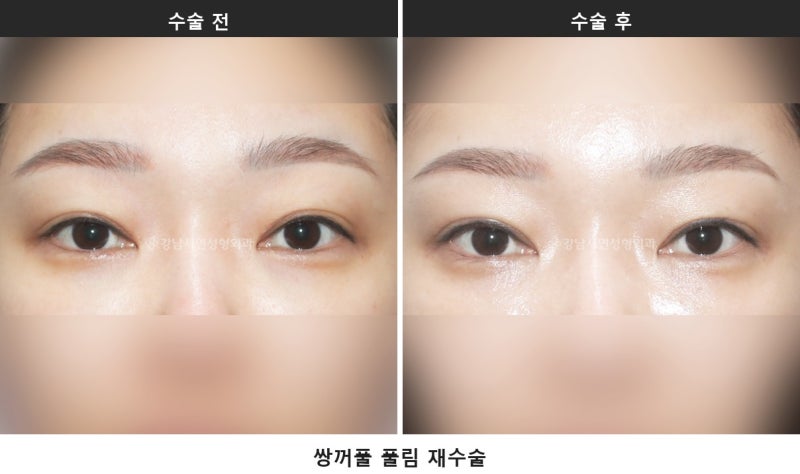
If you have records of your previous surgery, please bring them. Whether a redo is possible depends on the type of previous surgery, the current condition of the tissue, and how much correction remains possible. It's important to discuss this thoroughly with a surgeon who has experience with revision procedures before deciding. Redo surgery is usually performed 6 months to 1 year after the first surgery, once the scar has healed, the swelling has subsided, and the crease has settled. However, if the results right after surgery are unsatisfactory, a redo may be needed within 2 to 3 weeks, so the timing is determined after an examination.
■ Question 6. What does the recovery schedule look like?
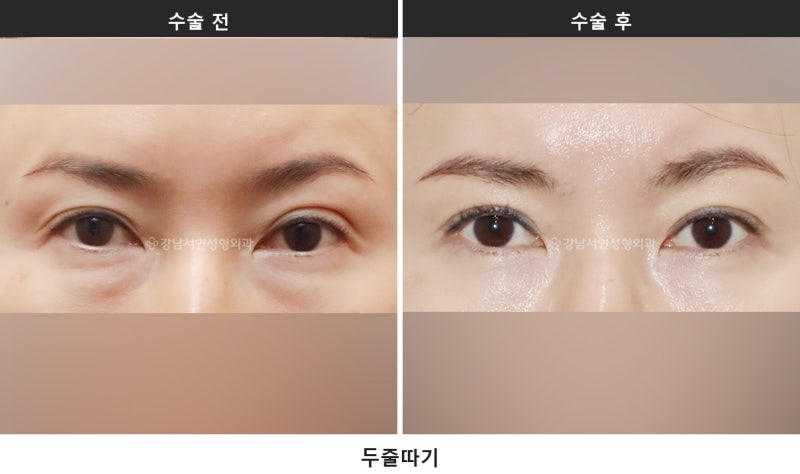
According to our procedure information, non-incision double eyelid surgery requires no suture removal, and you can return to daily activities in 2 to 3 days. For incision double eyelid surgery, sutures are removed 4 to 12 days after surgery, and you can return to daily activities in 3 to 7 days. For both methods, the time it takes for the crease to fully settle varies from person to person. If you have a work return date or an important event coming up, let us know during your consultation so we can plan your recovery period together.
■ This article may help if you have these questions
- Anyone unsure what to ask before a double eyelid surgery consultation
- Anyone wondering whether the non-incision or incision method is right for them
- Anyone who wants to know whether their eyes need eye-opening correction
- Anyone wondering about booking a consultation and scheduling
surgery dates
■ Recovery Timeline
[Non-Incision Double Eyelid]
Surgery time: 20–40 minutes
Anesthesia: Sedation or local anesthesia
Clinic visits: 1
Suture removal: None
Hospitalization: None (same-day discharge)
Return to daily life: 2–3 days later
[Incision Double Eyelid]
Surgery time: Approx. 30–60 minutes
Anesthesia: Sedation or local anesthesia
Clinic visits: 1–2
Suture removal: 4–12 days later
Hospitalization: None (same-day discharge)
Return to daily life: 3–7 days later
These timeframes may vary depending on the surgical method and your eye condition.
■ FAQ
Q1. What is the first thing checked during a double eyelid consultation?
We first check three things: eyelid skin thickness and fat volume, eye-area drooping (whether eye-opening correction is needed), and left-right eye asymmetry. These three factors are the key criteria for determining whether the non-incision or incision method is the better fit.
Q2. How can I tell if I need eye-opening correction?
An accurate assessment requires a levator muscle function test during the examination. Signs that eye-opening correction may be needed include having your forehead tense up when you open your eyes or feeling that your eyes tire easily and look sleepy.
Q3. Can I switch from the non-incision method to the incision method later?
Yes, it is possible. However, if you are having a redo after the embedded crease has loosened, a precise examination that considers the condition of the tissue must come first.
■ Disclaimer
This content is provided for general medical information only. It does not recommend any specific surgery or guarantee results. Complications such as bleeding, infection, and inflammation may occur after surgery. Results and recovery times may vary depending on individual skin condition and the method chosen. Please be sure to confirm an accurate diagnosis and the best method through consultation with a specialist.
The photos in this post were taken with the patients' prior consent.
Frequently Asked Questions
What is checked first in a double eyelid consultation?
The first three things we check are eyelid skin thickness and fat volume, eye-area drooping (whether eye-opening correction is needed), and left-right eye asymmetry. These three factors are the key criteria for determining whether the non-incision or incision method is the right choice.
How can I tell if I need eye-opening correction?
The safest way to determine whether you need eye-opening correction is to undergo a levator muscle function test during your examination and get a specialist's diagnosis. Cases that may call for eye-opening correction include having your forehead or eyebrows lift when you open your eyes, or often hearing that your eyes look tired or sleepy.
Can I switch from the non-incision method to the incision method later?
Yes, it is possible. However, if you are having a redo after the embedded crease has loosened, a precise examination that considers the tissue condition must be done first.
What determines whether to choose the non-incision or incision double eyelid method?
The choice is based on your eye condition, not on price. The non-incision method suits thin eyelid skin with little drooping or fat. The incision method is better for thick skin, drooping, a large amount of upper eyelid fat that keeps the crease from forming well, or clearly uneven eyes.
If I've had eye surgery before, when can I have a redo?
Redo surgery is usually performed 6 months to 1 year after the first procedure, once the scar has healed, the swelling has gone down, and the crease has settled. However, if the immediate results are unsatisfactory, a redo may be needed within 2 to 3 weeks, so the timing is determined after an examination.
When can I return to daily life after double eyelid surgery?
You can return to daily life 2–3 days after non-incision double eyelid surgery, or 3–7 days after incision double eyelid surgery. The non-incision method requires no suture removal, while sutures for the incision method are removed 4–12 days after surgery. Since recovery varies from person to person, it's a good idea to let us know during your consultation if you have a work return date or an important event coming up.