2026-09-24
Double Eyelid Stitch Removal: A Standard Recovery Step After Incisional Surgery
Stitch removal is a routine recovery step after incisional eyelid surgery, usually performed within 7–10 days. Learn what to expect, pain levels, and aftercare tips.
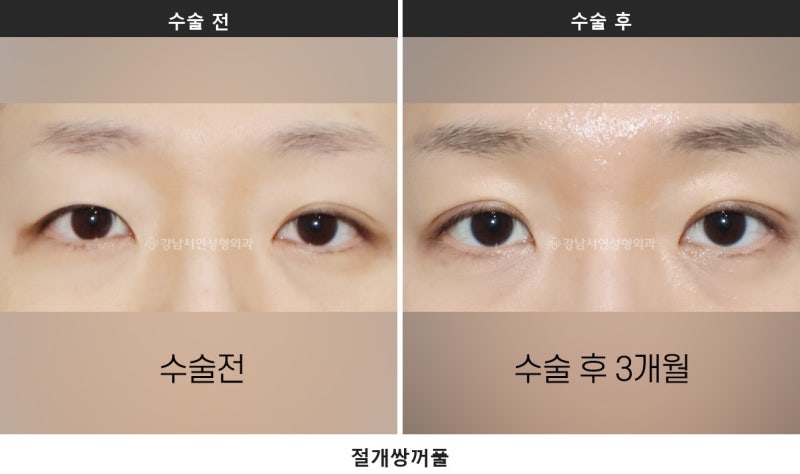
EYE SURGERY · Revision Blepharoplasty Insights
Easily confused with suture removal for non-incisional (buried suture) double eyelid surgery, but entirely different.
■ In Short
Eye surgeries involving incisions—including revision double eyelid surgery—require sutures to hold the incision closed while the tissues heal, which are subsequently removed once a sufficient stage of recovery is reached. This is not a procedure unique to any single surgery, but rather a standard recovery phase common to all incisional procedures. In contrast, non-incisional (buried suture) methods do not involve skin incisions and therefore have no such stitch removal step. This differs entirely from "buried suture untying/removal," which is a separate procedure performed later if one is dissatisfied with their buried suture result or wishes to eliminate knots due to side effects.
■ When Are Stitches Removed?
The timing of suture removal after incisional surgery varies slightly depending on the surgical site and technique. Surgeries involving incisions on the upper eyelid—such as revision double eyelid surgery, incisional blepharoplasty, and incisional ptosis correction—typically have stitches removed between days 7 and 10. Surgeries involving incisions at the outer corner of the eye, such as lateral canthoplasty or lateral canthoplasty revision, are generally scheduled for suture removal around day 10. In contrast, lower canthoplasty (under-eye widening) does not require a stitch removal process at all. Because whether and when sutures need to be removed depends on the specific surgical method, it is best to verify your exact schedule directly with your attending surgeon.
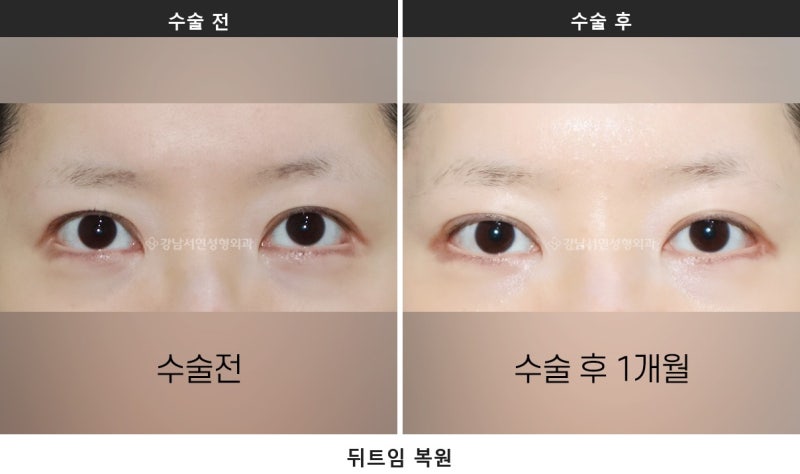
■ Does Suture Removal Hurt?
The suture removal process is completed quickly and without anesthesia. Because only the threads on the surface of the sutured skin are snipped with small scissors and gently pulled out, you may feel a slight pinching or stinging sensation, but the discomfort is not severe enough to require local anesthesia. However, the exact sensation can vary slightly depending on individual pain tolerance and the degree of swelling present.
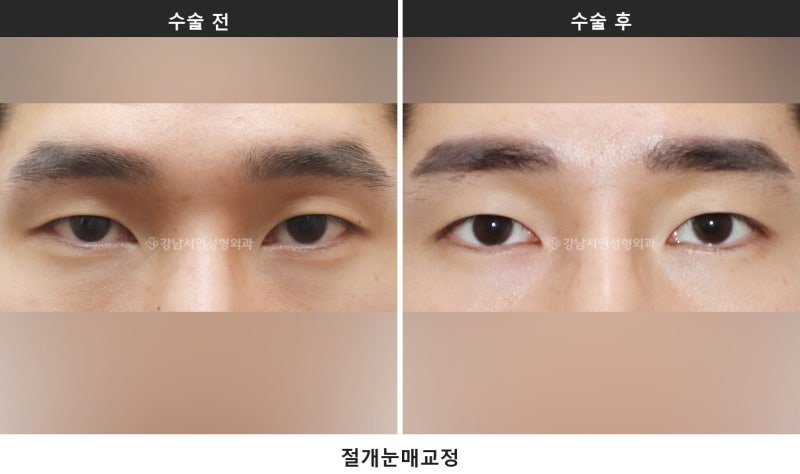
■ Post-Removal Swelling and Care
Recovery does not end the moment the stitches are taken out. This is a transitional period during which the sutured incision settles and residual swelling gradually subsides. To support optimal scar management, take care to avoid excessive friction along the incision line during facial cleansing and makeup application, and protect the healing skin from direct UV exposure. The speed at which swelling resolves varies depending on personal healing capacity and the surgical scope.
■ This Guide Is Helpful If You:
- Want to know when stitches are removed after revision double eyelid surgery
- Are anxious about whether stitch removal will be painful
- Wonder why swelling persists even after sutures are removed
- Find yourself confusing this procedure with suture untying for non-incisional methods
■ Recovery Timeline
Surgery Duration: Varies by incision scope (typically around 1 hour for revision double eyelid surgery)
Anesthesia: IV sedation or local anesthesia
Clinic Visits: 1 to 2 times, including suture removal
Suture Removal: Mostly 7–10 days post-op (Day 10 for lateral canthoplasty/revision; not applicable for lower canthoplasty)
Hospitalization: None (same-day discharge)
Return to Daily Life: 3–7 days post-op
The exact timeline may vary depending on the extent of surgery and individual healing speed.
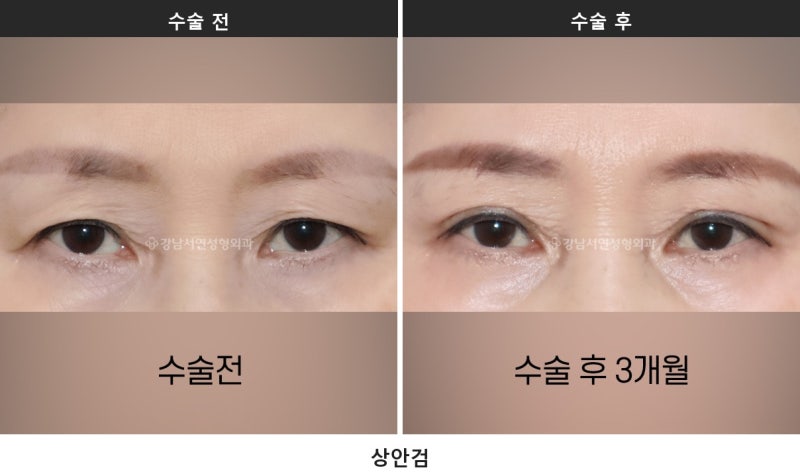
■ Frequently Asked Questions
Q1. Can I get my stitches removed at any clinic?
It is safest to have them removed at the clinic where your surgery was performed, allowing your surgeon to assess your healing progress directly.
Q2. Does it cause problems if sutures are removed too late?
Leaving sutures in place longer than necessary can leave permanent stitch marks or scarring, so it is important to have them removed according to the recommended schedule.
Q3. Are stitches removed like this for non-incisional (buried suture) surgery too?
No. Non-incisional methods place sutures beneath the skin without cutting, meaning there is no post-op suture removal step. Removing or loosening buried knots later if one is unsatisfied or experiencing issues is a separate procedure called "buried suture untying/removal," which is distinct from post-incisional suture removal.
Q4. Do lateral and lower canthoplasty share the same suture removal timeline?
No. Lateral canthoplasty and its revision require stitch removal around day 10, whereas lower canthoplasty involves no stitch removal step at all.
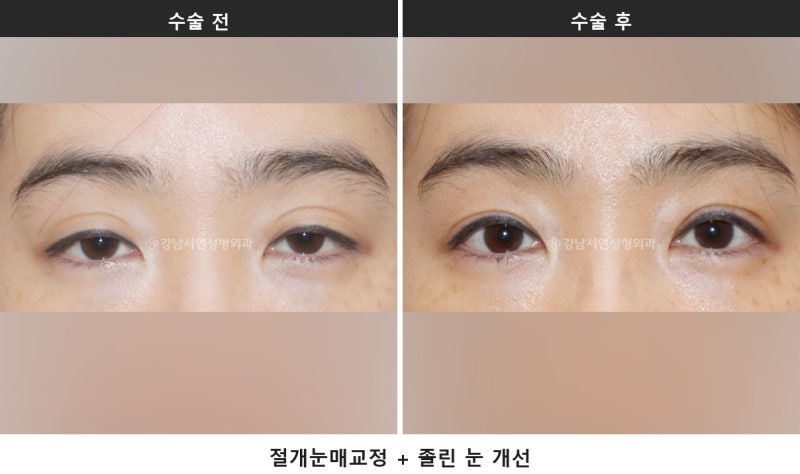
■ Gangnam Seoyeon Plastic Surgery's Approach
At Gangnam Seoyeon Plastic Surgery, Dr. Dong-il Choi personally oversees every step, from initial consultation and surgical execution to postoperative monitoring and stitch removal. The precise timing of suture removal is adjusted by evaluating the incisional scope and individual healing progress in person.
Gangnam Seoyeon Plastic Surgery adheres to three core principles for postoperative care:
First, direct, hands-on progress checks by an experienced board-certified plastic surgeon.
Second, customized scheduling tailored to the surgical extent and individual recovery speed.
Third, systematic aftercare extending beyond suture removal to scar management.
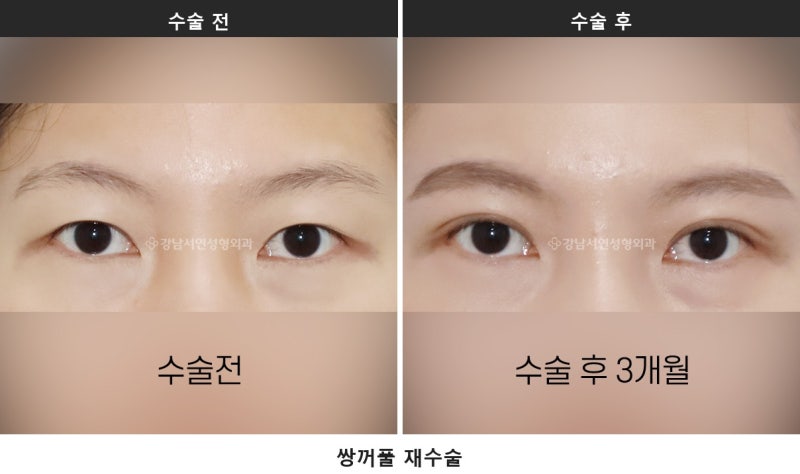
If you would like to explore similar surgical outcomes, please visit the before-and-after gallery on the Gangnam Seoyeon Plastic Surgery website to view our revision double eyelid surgery cases.
■ Medical Disclaimer
This content is provided for informational purposes only and does not serve as a recommendation or guarantee of surgical outcomes. Complications such as bleeding, infection, and inflammation may occur following surgery, and results and recovery timelines can vary depending on individual skin condition and selected surgical methods. Please consult directly with a board-certified specialist for an accurate diagnosis and treatment plan.
All patient photographs in this post were published with prior patient consent.
Gangnam Seoyeon Plastic Surgery Clinic | Dong-il Choi, Chief Director
20 Gangnam-daero 154-gil, Gangnam-gu, Seoul (Shinbundang Line, Sinsa Station Exit 7)
Weekdays 09:30-18:30 · Saturday 09:30-16:30 · Closed on Sundays & Public Holidays
02-535-8889

Dr. Dong-il Choi
Board-Certified Plastic Surgeon
Current) Chief Director, Gangnam Seoyeon Plastic Surgery (2015–Present)
Former) Director, BK Plastic Surgery Clinic (2011–2013)
Former) Director, Regen Plastic Surgery Clinic (2013–2015)
Clinical Professor of Plastic Surgery, Korea University College of Medicine
Academic Chair, Ophthalmic Plastic Surgery Research Society, Korean Society of Plastic and Reconstructive Surgeons
Adjunct Professor of Plastic Surgery, Kangdong Sacred Heart Hospital
Full Member, Korean Society of Plastic and Reconstructive Surgeons
Full Member, Korean Society for Aesthetic Plastic Surgery
Full Member, Korean Cleft Palate-Craniofacial Association
Member, International Confederation for Plastic Reconstructive & Aesthetic Surgery (IPRAS)
Full Member, Korean Society for Surgery of the Hand
Full Member, Korean Association of Plastic Surgeons
Academic Committee Member, Korean Society of Plastic and Reconstructive Surgeons
Editorial Reviewer, Korean Society for Aesthetic Plastic Surgery
Former Financial Director, Current IT Director, Korean Association of Plastic Surgeons
IT & PR Committee Member, Korean Society for Aesthetic Plastic Surgery
Full Member, Ophthalmic Plastic Surgery Research Society, KPRS
Former Secretary General, Ophthalmic Plastic Surgery Research Society, KPRS
Full Member, Rhinoplasty Research Society, KPRS

Gangnam Seoyeon Plastic Surgery Clinic strictly complies with Korean Medical Law. All photographs in this post were taken under identical standard conditions with prior informed patient consent. Furthermore, please note that complications such as bleeding, infection, and inflammation may occur following aesthetic procedures and surgeries depending on individual differences.
- Single Board-Certified Plastic Surgeon Director System - Accurate anatomical assessment / Recommending only essential procedures - CCTV-monitored operating rooms |
Feel free to visit our clinic to receive
a personalized 1:1 consultation with our board-certified specialist :)
If you have any questions or wish to book an appointment,
please leave a comment, contact us on KakaoTalk Plus Friend @강남서연성형외과의원,
or call us at +82-2-535-8889 :)






Frequently Asked Questions
When are stitches removed after double eyelid surgery?
Stitches are usually removed between 7 and 10 days postoperatively. For incisional blepharoplasty, incisional ptosis correction, and revision double eyelid surgery, stitch removal typically occurs around days 7–10, whereas lateral canthoplasty or lateral canthoplasty revision takes place around day 10. Lower canthoplasty requires no stitch removal.
Does it hurt to have double eyelid stitches removed?
No, the pain is minimal and does not require local anesthesia. The surface sutures are gently snipped with fine scissors and pulled out, which can cause a brief stinging sensation, but the procedure is completed quickly without anesthesia.
What happens if stitches are removed later than recommended?
Leaving stitches in for too long can result in visible suture track marks or scarring. It is essential to return to the clinic according to your doctor's recommended timeline so that the sutures can be safely removed on time.
Does the non-incisional (buried suture) method require stitch removal as well?
No, non-incisional eyelid surgery does not involve cutting the skin, so there is no routine postoperative suture removal. The procedure known as 'buried suture untying/removal' is performed specifically when one wants to dissolve or take out existing buried knots, which is entirely different from removing external stitches after an incisional procedure.
How should I care for my eyes after stitch removal?
Avoid irritating the incision line and protect the area from UV exposure. Swelling continues to subside even after sutures are out, so take care to minimize rubbing or friction when washing your face and applying makeup, and protect your skin against UV rays to support neat scar healing.