2026-06-20
Eyes Opening Too Wide After Ptosis Correction? The Solution: Eyelid Retraction Correction
Learn about eyelid retraction (overcorrection) after ptosis surgery, its risks like dry eyes, and how correction surgery can restore a natural look.

Many people undergo ptosis correction surgery to address mild drooping of the eyelids.
However, some may look in the mirror after surgery and feel that their eyes are opening unusually wide.
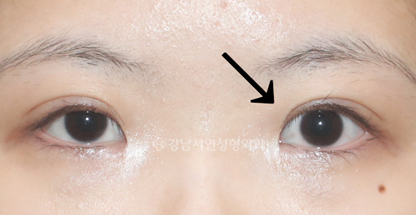
Upon visiting a plastic surgery clinic with these concerns, they might be diagnosed with ‘retraction’.
What is retraction?
In short, it is a state of overcorrection following ptosis surgery.

You might wonder, ‘Wait, I heard retraction is a good thing?’
No, it is not!
Eyelid retraction refers to a condition where the eye is pulled up excessively high when open.
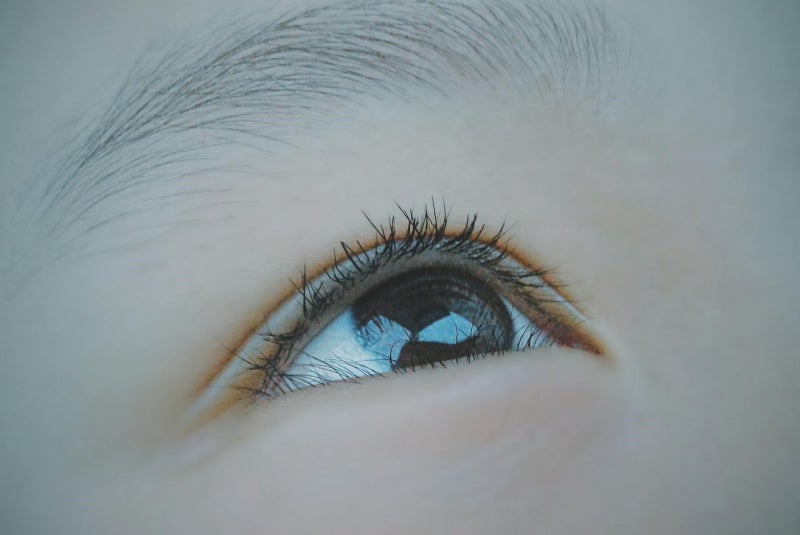
In a normal eye, the eyelid should cover the top portion of the pupil to a certain degree.
However, in retraction, the eyelid does not cover the pupil sufficiently.

What do you think? Is this different from the ‘retraction’ you previously understood?
The disadvantages of retraction are not limited to aesthetic concerns.
It can also cause dry eye syndrome and even a decline in vision.
Therefore, proper treatment is essential.

Why does retraction, which carries so many downsides, occur in the first place?
Since ptosis correction involves manipulating the muscles that open the eye, even a tiny adjustment can lead to significant changes.
As a result, side effects such as
Overcorrection (retraction), lagophthalmos (inability to close the eye), asymmetry, and undercorrection
can occur.
Of course, these side effects only happen to a small minority, so there is no need to be overly fearful!

Are you feeling discouraged because this sounds exactly like your situation?
Fortunately, if you undergo early revision within 2 to 3 weeks of the initial ptosis correction, it can be resolved.
The reason rapid consultation is recommended is that for muscle-related surgeries, removing the sutures early on significantly increases the chance of an easy fix.

Some of you may have discovered the retraction too late and already missed the window for early revision.
You might feel overwhelmed by the prospect of revision surgery combined with having missed the ideal timing, but do not worry!

Those who missed the early revision window can wait 6 months after their ptosis correction and then undergo Eyelid Retraction Correction surgery.
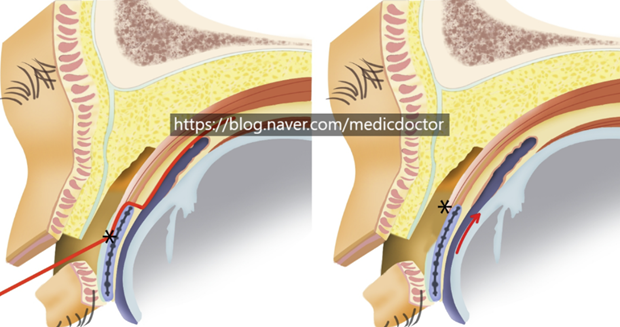
Let me explain Eyelid Retraction Correction. Please look at the diagram below.
Eyelid Retraction Correction involves...1. Separating the eye-opening muscle from the tarsal plate and exposing the Müller’s muscle. 2. Separating the conjunctiva and Müller’s muscle. 3. Proceeding with the retraction correction surgery. *What is the eye-opening muscle? The Levator muscle.

The terminology is a bit difficult, right? Simply put, it is a surgery that loosens the overcorrected ptosis correction to make the eye open less wide.
Because it is a high-difficulty procedure, it is essential to have it performed by a board-certified plastic surgeon with extensive surgical experience.

Dr. Choi Dong-il at Gangnam Seoyeon Plastic Surgery has vast experience in eyelid retraction correction.
Please refer to the before-and-after photos below and visit Gangnam Seoyeon Plastic Surgery for a consultation~
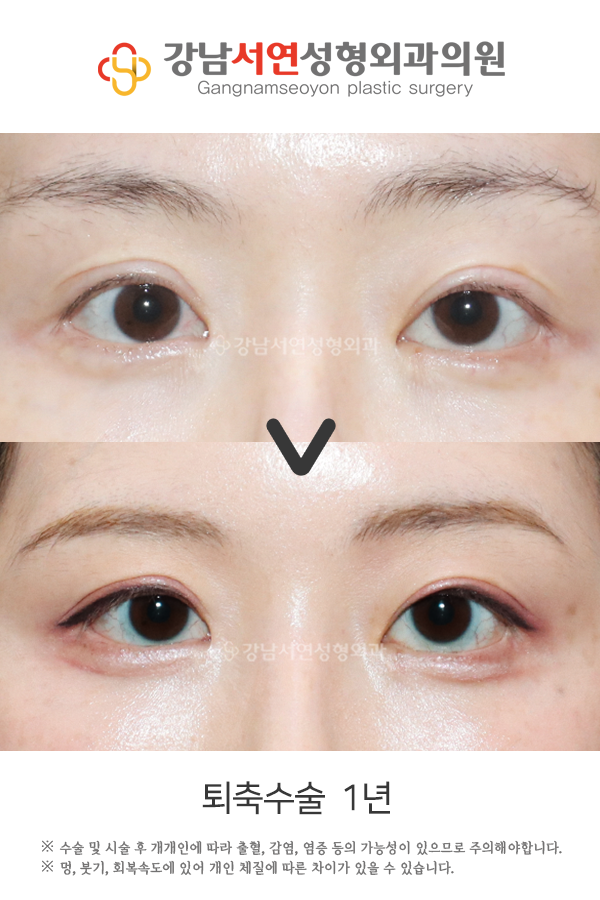
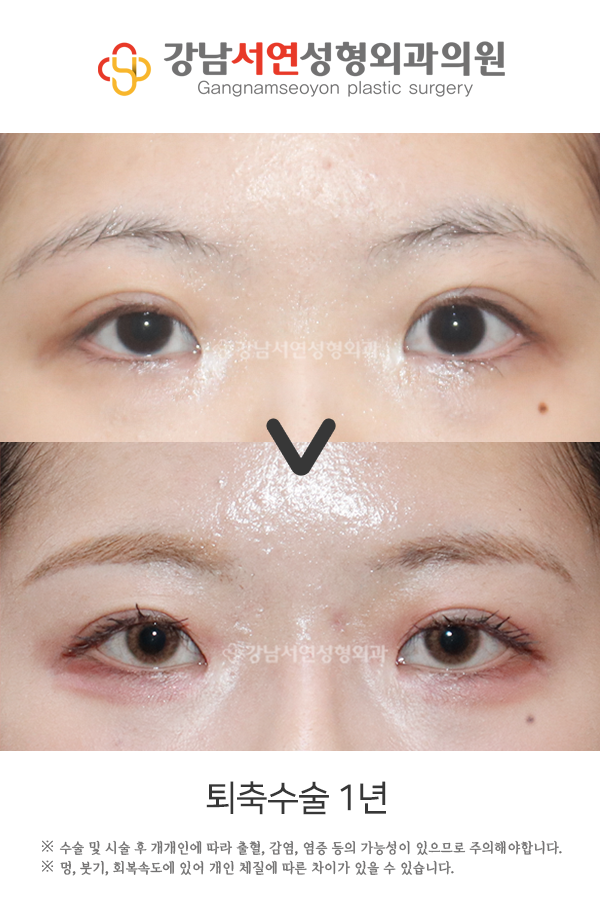
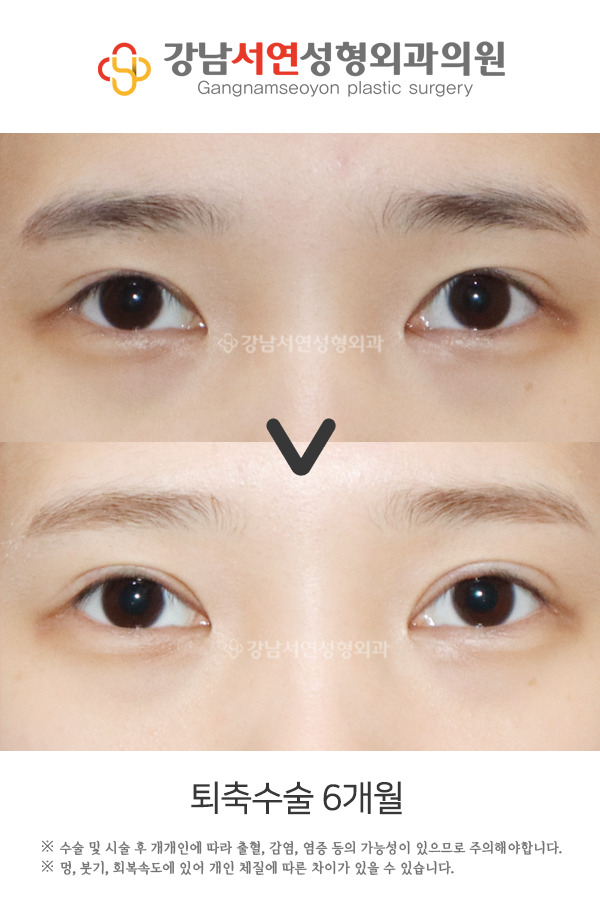
Gangnam Seoyeon Plastic Surgery Clinic complies with medical laws. The photos in this post were taken under identical conditions with the patient’s prior consent. Furthermore, please be aware that side effects such as bleeding, infection, and inflammation may occur after plastic surgery or procedures depending on the individual.
- Single Board-Certified Plastic Surgeon Representative Director System - Accurately assesses eye condition / Recommends only necessary surgeries - Equipped with operating room CCTV |
Feel free to visit and receive a
1:1 consultation with a plastic surgery specialist :)
If you have any questions or wish to schedule a consultation,
please leave a comment, contact us via KakaoTalk Plus Friend @SeoyeonPlasticSurgery,
or call us at 02-535-8889 :)






#GangnamSeoyeonPlasticSurgery #GangnamSeoyeon #SeoyeonPlasticSurgery #RetractionSurgery #EyelidRetraction #EyesOpeningTooWide #RabbitEyes #Overcorrection #Undercorrection #Lagophthalmos #Asymmetry #PtosisCorrection #PtosisCorrectionSideEffects #PtosisRevision #IncisionDoubleEyelid #DoubleEyelidSurgery #ChoiDongIl
Frequently Asked Questions
What is eyelid retraction?
Eyelid retraction refers to a condition where the eyes open excessively after ptosis correction surgery. While normal eyelids cover the upper part of the pupil to some extent, retraction means the eyelids do not cover the pupil, making the eyes appear unusually wide open.
What problems can eyelid retraction cause?
Eyelid retraction can cause various disadvantages in addition to cosmetic problems. Excessive eye opening can worsen dry eye syndrome, and in severe cases, it can even lead to vision loss, making appropriate treatment essential.
Why does eyelid retraction occur after ptosis correction?
Ptosis correction is a surgery that manipulates the muscles that open the eyes, so even small differences can lead to significant changes. During this process, side effects such as overcorrection (retraction), lagophthalmos, asymmetry, and undercorrection can occur.
When is the best time to correct eyelid retraction?
It is best to receive early correction within 2-3 weeks after ptosis correction. During this period, it is highly likely to be easily resolved by removing the sutures used during muscle surgery. If you miss the early correction period, you can consider eyelid retraction correction surgery after 6 months.
What kind of surgery is eyelid retraction correction?
Eyelid retraction correction surgery is a procedure that loosens overcorrected ptosis correction to make the eyes open less. Retraction is corrected by separating the eye-opening muscle from the tarsal plate and exposing and separating the Müller's muscle.